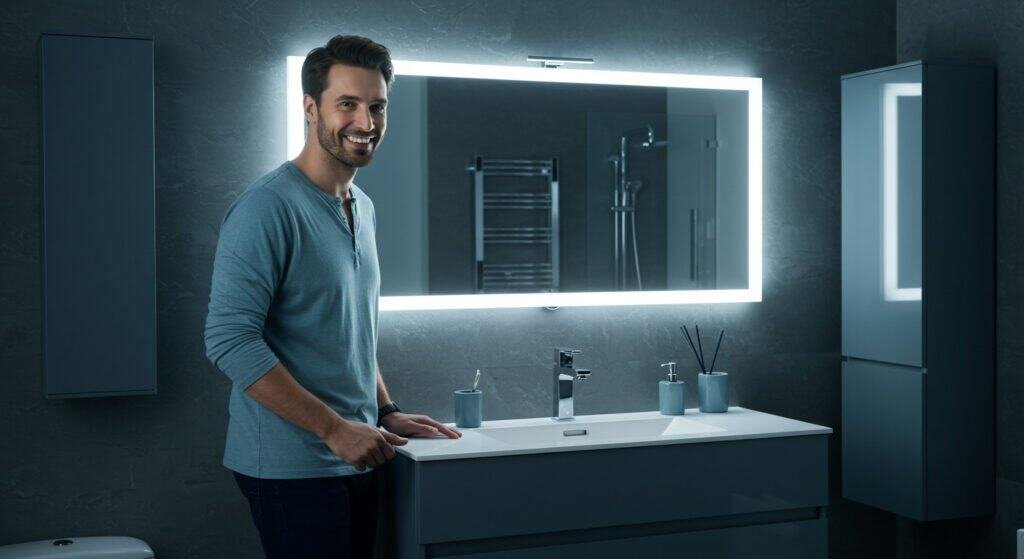
Choosing between silver and aluminum mirrors can feel confusing when you’re buying bathroom mirrors for your home or business. Pick the wrong type, and you might end up with a mirror that looks dull, wears out quickly, or disappoints your customers.
Silver mirrors reflect about 95-99% of light, which makes them brighter and clearer than aluminum mirrors that reflect 85-90% of light. Silver works best for high-end led bathroom mirror projects where image quality matters most. Aluminum mirrors cost less and handle moisture better, making them the smart choice for standard bathroom vanity mirrors when you need to watch your budget.
Let’s break down the real differences so you can make the right choice for your project.
Are Silver and Aluminum the Same Thing?
Some people think silver and aluminum are similar metals because they both look shiny in mirrors.
Silver and aluminum are completely different metals with different properties. Silver is element number 47 on the periodic table and reflects light extremely well. Aluminum is element number 13 and resists rust better than silver.
Think of it like comparing gold and brass. They might look similar, but they’re made of different materials with different strengths. Silver weighs much more than aluminum. If you held a piece of pure silver and a piece of pure aluminum of the same size, the silver would feel about four times heavier. Silver conducts electricity and heat better than almost any other metal, which is why it’s used in high-quality electronics and mirrors. Aluminum forms a natural protective layer when exposed to air, which stops it from rusting. This makes aluminum perfect for bathroom mirrors that deal with moisture every day. When manufacturers say “silver mirror” for a lighted makeup mirror or backlit mirror, they’re talking about the thin coating on the back of the glass, not the entire mirror being made of solid silver. Both types start with regular glass, but the coating on the back determines how well they reflect and how long they last.
What Is a Silver Mirror?
Understanding how silver mirrors are built helps you know what you’re actually buying.
A silver mirror has four main layers working together. First is the glass that you look into. Behind that sits a very thin layer of silver metal about as thick as a human hair divided by 100. Next comes a copper layer that protects the silver. Finally, there’s a paint coating that seals everything and keeps moisture out.
Making a silver bathroom mirror involves a careful chemical process. Manufacturers spray silver-containing chemicals onto clean glass. These chemicals react and create a smooth, even layer of pure silver metal on the glass surface. This method has been used since the 1800s and still produces the clearest reflection you can get in a lighted vanity mirror. The copper layer goes on next. Copper serves two jobs: it makes the mirror stronger and stops the silver from turning black when it touches sulfur in the air. Modern silver mirrors for bathroom light mirror use include extra protective coatings that block moisture, helping the mirror last 15 a 20 years in a humid bathroom. The thickness of the silver layer matters. Premium led bathroom mirror products use thicker silver to reach that 98-99% reflection rate that makes faces look clear and colors look accurate in a wall mirror with lights.
What Is the Difference Between Silver and Aluminum Mirror Coatings?
The way these mirrors are made creates different results for your bathroom.
Silver mirrors get their coating through a wet chemical process where liquid silver turns into solid metal on the glass. Aluminum mirrors receive their coating in a special vacuum chamber where aluminum vapor sticks to the glass. These different methods create mirrors with different brightness levels, lifespans, and prices.
The silver coating process requires perfect temperature control and precise chemical mixing to get that crystal-clear reflection you want in high-end lighted vanity mirrors. The process is similar to developing photographs in a darkroom, where everything needs to be just right. Aluminum coating happens in a sealed chamber with all the air pumped out. Manufacturers heat aluminum until it turns into vapor, which then settles on the glass and turns back into solid metal. This creates a thinner but tougher coating. The aluminum sticks to glass better and handles bathroom moisture more effectively than silver. Silver coatings measure about ten times thicker than aluminum coatings, yet silver still reflects more light because of how silver metal naturally works. Silver mirrors need that copper backing and multiple paint layers for protection. Aluminum mirrors often need just one protective coat. Making silver mirrors costs about 30-50% more than aluminum mirrors because silver metal costs more and the process takes longer. This price difference affects what you’ll pay for round silver mirror products and rectangular bathroom mirrors.
| Feature | Silver Mirror | Aluminum Mirror |
|---|---|---|
| How much light it reflects | 95-99% | 85-90% |
| How it’s made | Liquid chemical process | Vacuum vapor process |
| Protection needed | Multiple layers required | Single layer often enough |
| Cost difference | 30-50% more expensive | Standard baseline price |
| How long it lasts | 15-20 years with care | 20-25 years normally |
| Best used for | Luxury bathrooms, espejos de maquillaje | Regular bathrooms, offices |
Which Mirror Coating Offers Better Reflectivity?
Brightness and clarity matter when you’re looking at yourself in a bathroom mirror every day.
Silver mirrors reflect 95-99% of light while aluminum mirrors reflect 85-90%, which means silver mirrors look noticeably brighter and show colors more accurately in your led vanity mirror.
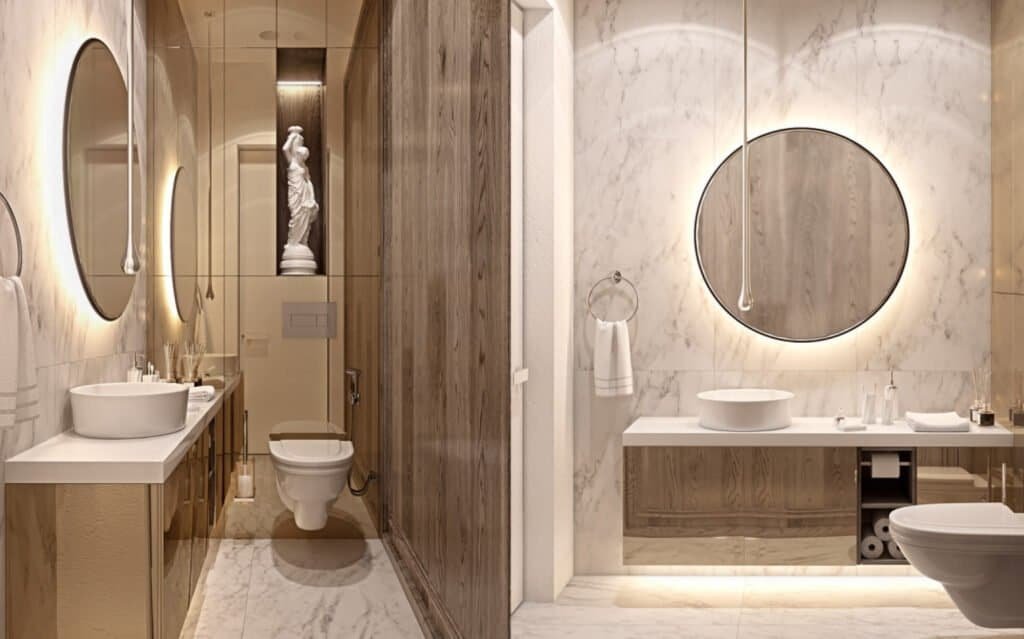
This difference shows up clearly when you’re getting ready in the morning. Silver reflects almost all light across every color, which is why fancy hotels use silver bathroom mirror products in their lighted vanity mirrors for bathroom spaces. A silver mirror looks brighter even when you use the same LED lights, so you can use less electricity while getting better lighting. Aluminum mirrors absorb some blue light, giving them a slightly warmer tone. Some people like this, but others want the true-color reflection that silver provides. This matters especially for a lighted makeup mirror where you need to see accurate colors for applying cosmetics. Testing shows that silver mirrors produce about 10-15% more brightness than aluminum when you use identical light up vanity mirror LED setups. If you’re spending serious money on a bathroom renovation, that extra brightness from silver justifies the higher price for premium backlit mirror installations.
How Does Durability Compare Between Silver and Aluminum Mirrors?
A mirror needs to survive years of steam, splashing water, and cleaning products in your bathroom.
Aluminum mirrors handle moisture better because aluminum naturally forms a protective shield against rust. Silver mirrors need strong protective coatings and careful sealing to prevent damage and edge wear in bathroom light mirror installations.
Aluminum’s natural protection becomes important in bathrooms where water vapor, temperature changes, and cleaning sprays create tough conditions for mirrors with black frame or frameless designs. When aluminum touches oxygen, it automatically creates a thin protective layer that keeps the metal safe, even if the paint coating gets scratched. Silver turns black when it touches sulfur, which exists in many household products and even in the air. This tarnishing can ruin a silver mirror if the protective layers fail.
Modern led bathroom mirror manufacturers use advanced edge sealing and moisture barriers specifically to protect silver coatings from humidity. A properly sealed silver bathroom mirror can last just as long as aluminum, about 15-20 years in a home bathroom compared to 20-25 years for aluminum. Silver’s sensitivity to chemicals means you need to choose cleaning products carefully for modern lighted mirrors for bathrooms. Harsh cleaners can eat through protective layers and damage the silver coating. Commercial buildings with heavy use often choose aluminum for small bathroom mirror applications because replacement costs and maintenance work matter more than having the absolute best reflection. The copper layer in silver mirrors helps fight corrosion but cannot match how naturally stable aluminum is in constantly humid bathrooms.
What Are the Cost Differences Between These Two Mirror Types?
Price matters when you’re buying mirrors for a home renovation or a business project.
Silver mirrors cost about 30% a 50% more than similar aluminum mirrors because silver metal costs more, the manufacturing process is more complex, and silver mirrors need extra protective layers on the glass mirror construction.
This price difference adds up when you’re ordering many large silver mirror units for apartment buildings or hotels. Silver prices go up and down with the commodity market, making silver wall mirror pricing less predictable than aluminum, which stays more stable in price. Making silver mirrors costs more because the chemical process requires fancier equipment, careful environmental controls, and takes longer than the vacuum process for aluminum. Those extra protective layers that silver bathroom mirror products need add both material costs and production time, making the price gap even wider.
When you’re planning a lighted vanity mirror project, think about not just the upfront cost but also how long the mirror will last, how often you’ll need to replace it, and whether customers will notice and appreciate the quality difference. Luxury home buyers readily pay extra for silver when choosing a vanity mirror with led lights for their master bathroom. Mid-range projects usually pick aluminum to keep the modern bathroom mirror price competitive.
Buying in bulk from manufacturers can reduce the price premium for silver mirrors, especially for standard rectangular bathroom mirrors rather than custom shapes that need special equipment. Your cost analysis should consider that silver creates higher perceived value in expensive properties where customers expect exceptional performance from their led light mirror vanity and will pay premium prices for superior quality.
Which Mirror Is Better, Aluminum or Silver?
The best choice depends on your specific needs, who will use the mirror, and how much you want to spend on bathroom vanity lights and mirrors.
Silver mirrors work best for luxury applications where maximum brightness and image quality justify higher costs, including expensive homes and high-end hotels. Aluminum mirrors provide better value for mid-range installations, office buildings, and projects where durability and cost savings matter more than having absolutely perfect reflection.
Your decision should look at several factors beyond just price. Luxury home projects with designer lighted bathroom mirror products benefit from silver’s superior reflection and prestige appeal, as wealthy homeowners expect premium materials throughout their bathroom. Expensive hotels and spas choose silver for vanity mirror with led lights in guest bathrooms because exceptional image quality enhances the luxury experience.
Mid-range homes and apartment buildings typically specify aluminum for bathroom vanity mirrors to balance quality with cost while meeting the expectations of value-focused buyers. Office buildings, stores, and public restrooms favor aluminum mirrors because they last longer and need less maintenance in high-traffic areas. Custom projects with round silver mirror designs or elaborate framed silver mirror looks might justify silver regardless of budget when appearance drives the buying decision.
Areas with high humidity should carefully check the protective coating quality of silver options, as aluminum naturally handles moisture better. Your led bathroom mirror specifications should clearly define how bright the mirror needs to be, how long it should last, what warranty comes with it, and what maintenance is required. Sometimes the smartest approach uses both types, putting silver mirrors in the main lighted vanity mirrors in master bathrooms while using aluminum for secondary small bathroom mirror locations to make the budget work better.
How to Tell If a Mirror Is Silver?
You need reliable ways to verify you’re getting real silver mirrors when you inspect shipments from suppliers.
Silver mirrors show a warmer, slightly gray-blue color when you look at the exposed edge. They reflect light more brightly when compared side-by-side with aluminum. You can see the layers including a copper-colored protective layer along unfinished edges of the glass mirror.
Checking mirrors yourself helps prevent suppliers from sending you the wrong product and ensures what you ordered matches what arrived for your led mirror shipment. Looking at the edge gives you the easiest way to identify silver. A real silver bathroom mirror edge reveals the distinctive gray metallic look of silver coating next to the reddish-brown copper layer and protective paint backing.
Aluminum mirrors show a lighter silver-white edge without that copper layer. Testing brightness with a flashlight shows how silver wall mirror products reflect more light than aluminum when you shine identical light up vanity mirror lights on both. Check the paperwork to verify manufacturer certificates that specify the coating type, how thick it is, and whether it meets quality standards for bathroom light mirror applications.
Weighing the mirror can help too, since silver’s higher density makes silver mirrors slightly heavier than aluminum mirrors of the same size, though you’ll only notice this with large silver mirror installations. Good manufacturers provide detailed specifications including coating type, protective layer composition, and quality certificates for their lighted vanity mirrors for bathroom products. Building relationships with certified manufacturers who maintain transparent quality systems reduces the need for extensive testing while ensuring you consistently get the silver or aluminum coatings you specified for backlit mirror production.
Are Modern Mirrors Silver-Backed?
Market trends affect what types of mirror coatings you can buy today.
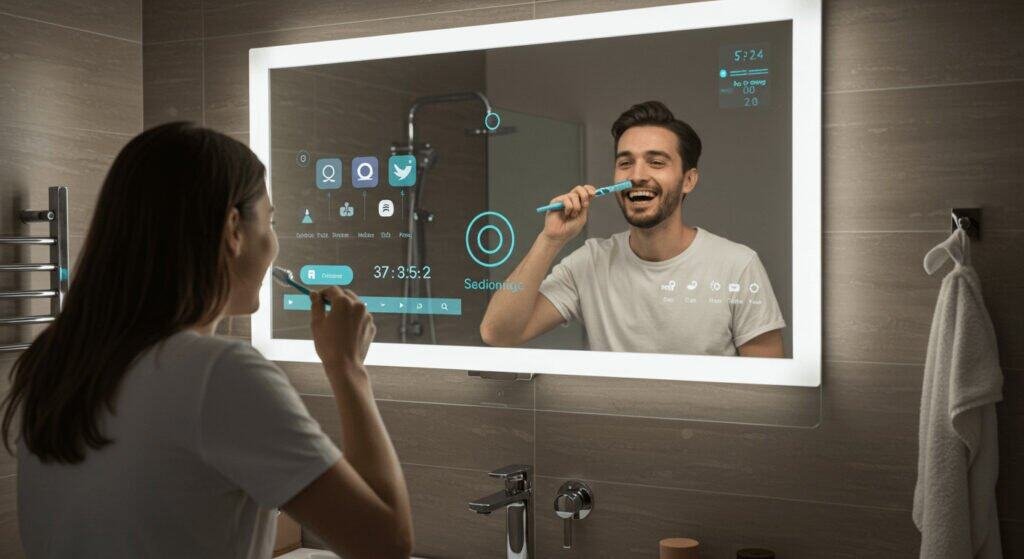
Modern mirrors use both silver and aluminum backing depending on what the mirror is for and how much it costs. Aluminum dominates the mass market for standard bathroom vanity mirrors while silver maintains its position in premium lighted bathroom mirror segments where maximum optical performance matters.
The bathroom mirror industry now offers coating options tailored to specific buyers rather than using one universal standard. Mass-market rectangular bathroom mirrors and basic wall mirror with lights products mostly use aluminum coatings to achieve competitive pricing for budget-conscious consumers and large commercial projects.
The premium segment of lighted vanity mirror manufacturing continues using silver for expensive homes, luxury hotels, and designer bathrooms where customers expect the best. The trend toward led mirror technology has actually increased demand for both coating types because LED lighting makes the reflectivity differences more noticeable. Modern bathroom mirror designs with integrated vanity lights and backlit mirror features benefit from silver’s superior reflection in high-end applications.
At the same time, aluminum remains the practical choice for the vast majority of bathroom installations where good performance at reasonable cost creates the best value. The market will likely continue supporting both technologies as manufacturers recognize that different customers have different priorities when selecting bathroom vanity mirrors for their spaces.
Conclusión
Silver mirrors deliver superior brightness and clarity at 30-50% higher cost, making them ideal for luxury projects. Aluminum mirrors offer better moisture resistance and value, serving well in standard bathrooms and commercial spaces. Choose based on your target market, budget, and quality requirements.
- Haga clic aquí para saber ¿Qué es el espejo sin cobre??
- Si no sabes cómo elegir la altura adecuada del baño haz clic aquí.
- Conozca más sobre los problemas del espejo de baño LED
- Haga clic aquí para saber por qué el espejo con sensor táctil no funciona
- Haga clic aquí para saber cuáles son los tamaños estándar de espejos de tocador.?
- Haga clic aquí para saber ¿Por qué son tan caros los espejos??
- Haga clic aquí para saber ¿Los espejos LED necesitan electricidad??
- Haga clic aquí para saber ¿Es un espejo iluminado suficiente luz para un baño??
- Descubrir 10 Problemas comunes con los espejos de baño LED Haga clic aquí