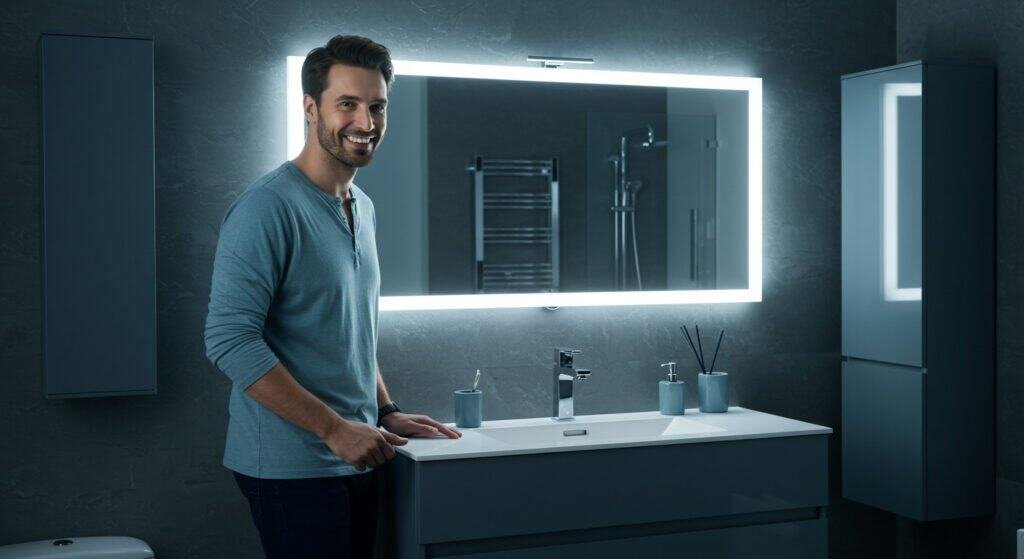
What is a silver mirror? Choosing the right mirror can feel overwhelming, especially when you see terms like “silver mirror” and wonder what makes it different from a regular mirror. Many people end up buying low-quality mirrors that develop dark spots, lose their shine, or break easily within a few years. Understanding what a silver mirror actually is helps you make a smart choice that will look great and last for years in your bathroom, bedroom, or any other space.
A silver mirror is a glass mirror that has a thin layer of silver applied to the back surface to create the reflection you see. The silver coating acts like a super-smooth metal surface that bounces light back at you with exceptional clarity. Unlike cheaper mirrors that use aluminum or other materials, silver mirrors reflect more than 95 percent of the light that hits them, which means you see yourself more clearly and accurately. This makes silver mirrors the preferred choice for high-quality bathroom mirrors, lighted vanity mirrors, and modern lighted mirrors for bathrooms where you need precise visibility for tasks like applying makeup or shaving.
Now that you know the basics, let’s explore everything else you need to understand about silver mirrors, from how they work to why they might be the perfect fit for your project or home.
How Is a Silver Mirror Made?
Creating a silver mirror involves a careful process that sounds more like a science experiment than manufacturing. The process starts with a perfectly clean piece of glass, because even tiny specks of dust can ruin the final product.
The glass goes through multiple cleaning stages using specialized solutions that remove any oils, fingerprints, or particles. Once the glass is spotless, workers apply a special chemical mixture called a sensitizer that prepares the surface to bond with silver. Think of this step like priming a wall before painting it. The sensitizer creates microscopic anchor points where the silver can grab onto the glass securely.
Next comes the actual silver application. A silver nitrate solution is sprayed evenly across the glass surface in a controlled environment. When this solution reacts with a reducing agent (usually a sugar-based chemical), pure metallic silver forms and deposits onto the glass in an incredibly thin but uniform layer. This chemical reaction happens quickly and must be monitored carefully to ensure even coverage across the entire glass surface. The silver layer ends up being only a few microns thick, yet it provides that brilliant reflection you see when you look in the mirror.
After the silver layer is complete, manufacturers apply protective coatings over the silver. These layers typically include copper (which adds strength) and special moisture-resistant paints that seal everything together. These protective layers are crucial because silver naturally reacts with sulfur compounds in the air, which would cause dark spots and deterioration without proper protection. Finally, the mirror gets a drying treatment and quality inspection before it’s ready to become a bathroom mirror, led mirror, or any other type of finished product.
What Is the Difference Between a Silver Mirror and a Mirror?
This question reveals a common confusion about mirror terminology. The truth is that “silver mirror” is actually a specific type of mirror, not something completely separate from mirrors in general.
When people say “mirror,” they’re usually referring to any reflective surface that shows your image. However, mirrors come in different types based on what material creates the reflection. The main categories include silver mirrors, aluminum mirrors, and specialty mirrors used for scientific purposes. Think of it like how “car” is the general term, but you have specific types like sedans, trucks, and sports cars.
Silver mirrors represent the premium category in the mirror market. They use pure silver as the reflective coating, which provides superior image quality and durability compared to most alternatives. Aluminum mirrors, on the other hand, use an aluminum coating instead of silver. These mirrors cost less to produce but only reflect about 85 to 90 percent of light, creating a slightly dimmer and less accurate reflection. You might notice that bathroom vanity mirrors in luxury hotels typically use silver mirrors, while budget hotels often use aluminum mirrors.
The practical difference becomes obvious when you compare them side by side. A silver mirror shows colors more accurately and provides better contrast, which matters significantly for tasks requiring precision. This is why lighted makeup mirrors and vanity mirrors with led lights almost always use silver mirror glass as the base. The superior reflection quality of silver mirrors also makes them ideal for led bathroom mirrors where you need excellent visibility for grooming tasks. For professional applications like photography studios or medical facilities, silver mirrors are the standard choice because they provide the truest representation of colors and details.
What Is the Purpose of the Silver Layer in a Regular Mirror?
The silver layer serves as the actual reflective surface that creates your image in the mirror. Without this crucial layer, you would just be looking through transparent glass and seeing whatever is behind it.
Silver works exceptionally well as a reflective material because of its unique physical properties. At the molecular level, silver has free electrons that interact with incoming light waves in a special way. When light hits the silver surface, these electrons absorb the light energy briefly and then release it back in the same direction it came from. This process happens nearly instantaneously and with minimal energy loss, which explains why silver mirrors achieve reflection rates above 95 percent.
Compare this to looking at your reflection in a window or a piece of polished metal. You might see a faint image, but it’s much dimmer and less clear than what you see in a proper mirror. That’s because these materials either let too much light pass through or absorb too much light instead of reflecting it back. The silver layer in a mirror is specifically engineered to maximize reflection while maintaining color accuracy across the entire visible light spectrum.
The protective coatings applied over the silver layer are equally important to understand. Silver naturally reacts with sulfur compounds found in air pollution, certain foods, and even human sweat. This reaction creates silver sulfide, which appears as black spots or a cloudy haze on the mirror surface. The copper layer applied over the silver provides a first line of defense, while the final paint coating seals everything against moisture and chemical exposure. This multi-layer protection system is why quality glass mirrors can last twenty years or more, while poorly protected mirrors might show deterioration within just a few years. For bathroom mirror applications where humidity is constant, this protection becomes even more critical for long-term performance.
What Are the Key Benefits of Silver Mirrors?
Silver mirrors deliver several important advantages that justify their position as the premium choice in the mirror market. Understanding these benefits helps explain why they’re worth the investment for applications ranging from simple bathroom mirrors to sophisticated led mirror installations.
The most immediate benefit is exceptional image clarity. When you look into a silver mirror, you see a sharp, true-to-life reflection with accurate colors and excellent contrast. This matters tremendously for daily activities like applying makeup, styling hair, or selecting clothing that matches. Lighted vanity mirrors for bathroom use particularly benefit from this clarity because the combination of quality silver reflection and proper led vanity mirror lighting creates ideal conditions for detailed grooming tasks. Professional makeup artists and hairstylists specifically request silver mirrors because color accuracy is non-negotiable in their work.
Durability represents another significant advantage. A properly manufactured silver mirror with adequate protective coatings will maintain its appearance for decades under normal use. The silver layer itself does not corrode or degrade like some other metals, and the protective coatings shield it from environmental damage. This longevity makes silver mirrors more economical over time, even though they cost more initially than aluminum mirrors. For commercial applications like hotels, restaurants, or office buildings, this durability translates to lower replacement costs and less maintenance hassle over the building’s lifetime.
Silver mirrors also perform better in various lighting conditions. Whether you’re using natural daylight, warm incandescent bulbs, or modern led bathroom mirror lighting, a silver mirror reproduces the scene accurately without adding color casts or distortions. This versatility is why backlit mirror designs and wall mirrors with lights almost universally use silver mirror glass. The neutral reflection characteristics of silver ensure that the lighting system delivers its intended effect without interference from the mirror surface itself.

Silver Mirror vs. Aluminum Mirror: What’s the Difference?
The choice between silver and aluminum mirrors often comes down to balancing quality requirements against budget constraints, but understanding the actual differences helps you make that decision wisely.
Reflection Quality and Clarity
Silver mirrors reflect approximately 95 to 99 percent of visible light, while aluminum mirrors typically reflect 85 to 90 percent. This ten-percent difference might sound small, but it creates a noticeable visual impact. The aluminum mirror produces a slightly dimmer, cooler-toned reflection that can make colors appear less vibrant and accurate. For a small bathroom mirror in a powder room where you just check your appearance briefly, this difference might not matter much. However, for a lighted vanity mirror where you perform detailed grooming tasks daily, the superior clarity of a silver mirror becomes quite valuable.
Durability and Lifespan
Silver mirrors generally outlast aluminum mirrors when both receive comparable protective coatings. Silver resists corrosion better than aluminum, especially in humid environments like bathrooms. Aluminum is more prone to oxidation, which can create a cloudy appearance over time. This difference becomes crucial for bathroom vanity mirrors and led bathroom mirrors that face constant moisture exposure. A quality silver mirror might last twenty-five years or more in a bathroom environment, while an aluminum mirror in the same location might show deterioration within ten to fifteen years.
Cost Considerations
Aluminum mirrors cost approximately thirty to fifty percent less than comparable silver mirrors. This price difference makes aluminum mirrors popular for budget projects, rental properties, or applications where mirror quality is not a priority. However, when you factor in the longer lifespan and better performance of silver mirrors, the total cost of ownership often favors silver for permanent installations. The comparison table below illustrates these key differences:
| Feature | Silver Mirror | Aluminum Mirror |
|---|---|---|
| Light Reflection Rate | 95-99% | 85-90% |
| Image Clarity | Excellent, true colors | Good, slightly cool tone |
| Typical Lifespan | 20-25+ years | 10-15 years |
| Moisture Resistance | Excellent with proper coating | Moderate, more prone to oxidation |
| Initial Cost | Higher (baseline) | 30-50% less expensive |
| Best Applications | Bathrooms, vanities, professional use | Budget projects, temporary installations |
| Color Accuracy | Highly accurate across spectrum | Slight cool color cast |
Application-Specific Recommendations
For modern bathroom mirror installations, particularly lighted bathroom mirror or vanity mirror with led lights setups, silver mirrors deliver better overall value despite the higher initial cost. The combination of led lighting and silver reflection creates optimal visibility for personal grooming. For commercial projects like hotels or upscale residential developments, silver mirrors contribute to a quality appearance that customers notice and appreciate. Budget-conscious projects might use aluminum mirrors in low-priority areas while reserving silver mirrors for primary bathrooms and vanity locations where quality matters most.
Where Are Silver Mirrors Commonly Used?
Silver mirrors appear in numerous applications where reflection quality, durability, and appearance matter. Understanding these common uses helps illustrate the practical importance of mirror quality in daily life.
Residential Bathroom Applications
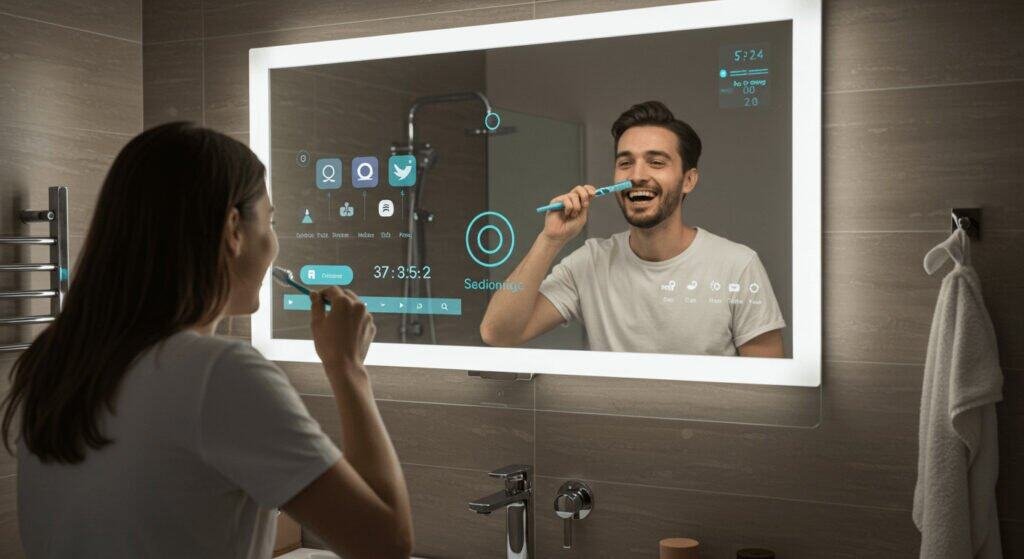
Bathrooms represent the most common location for quality silver mirrors. A bathroom mirror serves multiple functions beyond simple reflection. People use bathroom mirrors for detailed grooming tasks that require accurate color perception and clear visibility. Modern lighted mirrors for bathrooms combine silver mirror glass with integrated led bathroom mirror lighting to create optimal conditions for makeup application, shaving, and skincare routines. The importance of mirrors in our daily life becomes especially clear in bathroom settings where we start and end each day with mirror-dependent activities.
Bathroom vanity mirrors come in various configurations, from simple rectangular bathroom mirrors to elaborate light up vanity mirror systems with multiple lighting zones. Small bathroom mirror installations in powder rooms might use compact designs, while master bathrooms often feature large vanity mirrors with led lights that span the entire width of the vanity counter. The humid bathroom environment makes silver mirror quality crucial because inferior mirrors will deteriorate quickly when exposed to constant moisture and temperature fluctuations.
Bedroom and Dressing Applications
Full-length mirrors and dresser mirrors in bedrooms benefit significantly from silver mirror quality. These mirrors help people evaluate their complete appearance when selecting outfits and getting ready for the day. Room mirror ideas often incorporate mirrors with black frames or decorative frames that complement the bedroom decor while providing clear reflection. Lighted vanity mirrors for makeup applications are common in bedroom settings, particularly in homes where the master bathroom lacks adequate counter space for a full vanity setup.
Commercial and Professional Settings
Hotels, restaurants, gyms, and office buildings use silver mirrors extensively. High-end hotels install quality bathroom vanity lights and mirrors in guest rooms because these details contribute significantly to the perceived value and guest satisfaction. Retail clothing stores rely on silver mirrors to help customers evaluate how garments look, knowing that accurate color representation influences purchase decisions. Hair salons and barbershops use professional-grade silver mirrors because their services depend entirely on the stylist’s ability to see accurate colors and details. Medical and dental facilities use silver mirrors where practitioners need distortion-free reflection for examinations and procedures.

How to Choose a High-Quality Silver Mirror?
Selecting a quality silver mirror requires attention to several specific factors that determine performance and longevity. Whether you’re purchasing a simple daily mirror or an elaborate led mirror system, these guidelines help ensure you get good value.
Verify the Actual Mirror Type
First, confirm that the product actually uses a silver coating rather than aluminum. Some suppliers market aluminum mirrors as “silver mirrors” because the aluminum coating looks silver-colored. Ask specifically about the reflective coating material and request documentation if making a substantial purchase. Quality manufacturers clearly specify “silver-coated” or “silver-backed” in their product descriptions.
Examine the Protective Coating
The protective layers over the silver determine how long the mirror will maintain its appearance. Quality mirrors should have multiple protective layers including copper and moisture-resistant paint. You cannot see these layers from the front, so you need to examine the back of the mirror or rely on the manufacturer’s specifications. For bathroom mirror applications where moisture exposure is constant, robust protective coatings are essential. Reputable suppliers provide detailed specifications about their protective coating system.
Check Glass Quality and Thickness
The glass itself affects the final mirror quality. Look for clear glass rather than the slightly green-tinted glass used in some budget mirrors. The green tint comes from iron content in lower-grade glass and creates a color cast in the reflection. Glass thickness matters for durability and distortion prevention. Standard bathroom mirrors typically use four to six millimeter thick glass, while larger mirrors or those in high-traffic areas should use six millimeter or thicker glass to prevent warping.
Consider Certification and Standards
Quality silver mirrors meet specific industry standards for reflection rate, adhesion, corrosion resistance, and safety. Look for products that comply with relevant standards such as the Chinese GB standard or European EN1036 standard for mirrors. Safety certifications like CAT-II (Category II safety backing) indicate that the mirror has a protective film that holds glass fragments together if breakage occurs, which is particularly important for bathroom mirrors.
Evaluate the Complete Product for Led Mirror Applications
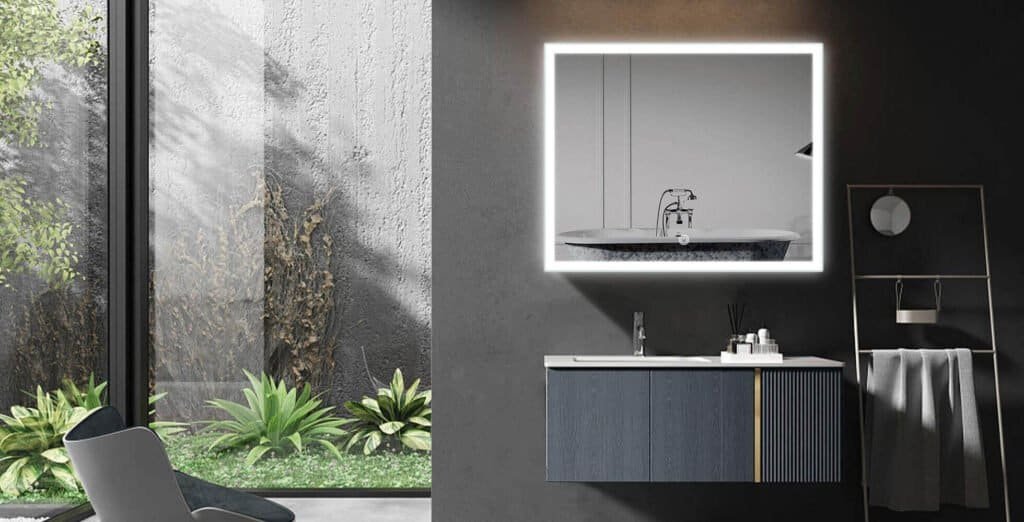
If purchasing an led mirror, led bathroom mirror, or backlit mirror system, evaluate the entire product as an integrated unit. Quality led mirror manufacturers use genuine silver mirrors as the base and pair them with reliable led vanity mirror lighting systems. Check the LED specifications including color temperature options (warm, neutral, or cool light), brightness levels, and expected LED lifespan. The best lighted vanity mirrors offer adjustable color temperature and brightness to accommodate different tasks and preferences. Verify that electrical components meet safety standards and come with adequate warranties.
Assessment Checklist for Quality
When evaluating silver mirror products, consider creating a simple checklist: Confirm silver coating material through specifications or supplier documentation. Verify multiple protective layers including copper and paint coatings. Check for clear, non-tinted glass of adequate thickness. Look for compliance with recognized mirror quality standards. For led mirrors, evaluate both mirror and lighting quality together. Review warranty terms that should cover at least three to five years for quality products. Research supplier reputation through reviews and references.
Conclusion
Silver mirrors deliver superior reflection quality, durability, and versatility that make them the smart choice for applications where mirror performance matters. Understanding what distinguishes a quality silver mirror from other options empowers you to make purchasing decisions that provide lasting value and satisfaction for your space.
- Clik here to know What Is Copper Free Mirror?
- If you donot know how too choose the right bathroom height click here.
- Know more about LED bathroom mirror Problems
- Clik here to know why Touch Sensor Mirror Not Working
- Clik here to know What Are Standard Vanity Mirror Sizes?
- Clik here to know Why Are Mirrors So Expensive?
- Clik here to know Do LED Mirrors Need Electricity?
- Clik here to know Is a Lighted Mirror Enough Light for a Bathroom?
- Find out 10 Common LED Bathroom Mirror Problems Click Here