How to tell the difference between aluminum and silver? Getting the material wrong means paying the wrong price, facing quality issues, and disappointing your customers. The good news is that you can learn to tell these two metals apart using simple methods that work right in your office or warehouse.
The easiest ways to distinguish aluminum from silver include checking the weight (aluminum feels much lighter), comparing prices (silver costs far more), testing with a magnet (both are non-magnetic but react differently), and observing how fast ice melts on each surface (silver conducts heat better). You can also look at the color since silver appears brighter and whiter while aluminum has a slightly gray tone. These practical tests help buyers verify materials before finalizing large orders for products like led bathroom mirrors or vanity mirror with led lights.
Let’s explore each testing method in detail so you can confidently identify materials during your next purchasing decision.
What Are the Key Physical Differences Between Aluminum and Silver?
The most obvious difference between aluminum and silver lies in their weight. If you hold two pieces of the same size, the silver piece feels noticeably heavier because silver is almost four times denser than aluminum.
Silver has a density of 10.49 grams per cubic centimeter while aluminum measures only 2.70 grams per cubic centimeter. This means a silver bathroom mirror frame weighing one kilogram would need an aluminum frame of the same dimensions weighing only about 250 grams. For manufacturers of lighted vanity mirrors or bathroom vanity mirrors, this weight difference directly affects shipping costs and installation requirements.
Beyond weight, these metals look different when you examine them closely. Silver displays a brilliant white shine that appears almost pure, which explains why high-end framed silver mirror products command premium prices. Aluminum shows a softer, slightly grayish metallic appearance. When you touch them, silver feels softer and scratches more easily than aluminum. This matters for led mirror frames because aluminum’s greater hardness provides better durability for bathroom environments where mirrors face daily use. Silver also stays shiny longer because it resists oxidation better than aluminum, though both metals develop a protective oxide layer over time.
How to Find the Difference Between Silver and Aluminium?
Finding the difference between these metals becomes straightforward when you use your senses systematically. Start by looking at the surface finish under good lighting, such as near a bathroom light mirror or modern lighted mirrors for bathrooms where illumination reveals subtle color variations.
Place similar-sized pieces in each hand and feel the weight difference. The heavier piece is likely silver. Next, tap each piece gently with a metal object and listen to the sound it makes. Silver produces a higher, clearer ringing tone while aluminum creates a duller, flatter sound.
Another reliable method involves temperature sensitivity. Place an ice cube on each metal surface and watch which one melts faster. Silver conducts heat approximately 1.5 times better than aluminum, so the ice on silver melts noticeably quicker. This test works well because it requires no special equipment, just items you can find in any office kitchen. You can perform this same test when inspecting materials for led light mirror vanity frames or backlit mirror housings. The practical application extends beyond theory since thermal properties affect how mirror frames respond to bathroom temperature changes, particularly for lighted bathroom mirror installations where LED components generate heat.
How to Check Silver or Aluminium Using Simple Tests?
Checking whether you have silver or aluminum requires conducting a few basic tests that anyone can perform without laboratory equipment. The magnet test comes first since both metals are non-magnetic, but observing how they interact with strong magnets reveals differences.
Hold a strong neodymium magnet near each metal sample. Neither will stick, but silver shows a unique property called diamagnetism where it slightly repels the magnet. Aluminum exhibits paramagnetic behavior with a very weak attraction. These effects are subtle, so perform the test in a controlled environment away from air currents that might influence results.
The ice test provides more dramatic results. Place identical ice cubes on flat surfaces of each metal at room temperature. Time how long each takes to melt completely. Silver’s superior thermal conductivity means its ice cube typically melts in roughly two-thirds the time aluminum requires. For example, if aluminum takes 15 minutes, silver might finish in 10 minutes. This difference becomes important when selecting materials for modern bathroom mirror frames in heated bathrooms where temperature stability matters. Professional buyers inspecting materials for large silver mirror projects or bathroom vanity lights assemblies often use this test for quick verification. You can also check flexibility by gently bending thin samples, since pure silver bends more easily than aluminum, though this risks damaging the material.
What Do the Price and Market Value Tell You?
Price comparison offers one of the most reliable indicators for distinguishing aluminum from silver because their market values differ dramatically. Silver consistently trades as a precious metal with prices reaching $25 к $30 per ounce, while aluminum costs approximately $0.90 к $1.10 per pound.
This means silver costs roughly 400 к 500 times more than aluminum by weight. When you receive a quote for mirror frames, calculating the expected cost based on material weight immediately reveals whether the pricing matches aluminum or silver specifications.
Consider a practical example from the led mirror industry. A rectangular bathroom mirror frame measuring 36 inches by 24 inches with a two-inch profile might use approximately 500 grams of aluminum, costing around $1.20 for raw material. The same frame in silver would require payment of about $480 for material alone. Manufacturers adding reasonable markups for fabrication, finishing, and profit would quote perhaps $15 к $30 for the aluminum version versus $600 к $800 for genuine silver. If a supplier quotes $50 for what they claim is a silver wall mirror frame, you know immediately that something does not match. This pricing logic applies whether you purchase small bathroom mirror units or large installations of lighted vanity mirrors for bathroom projects. Smart buyers always verify that quoted prices align with current metal market rates, checking sources like the London Metal Exchange for aluminum and precious metal indexes for silver before signing contracts.
What Is the Difference Between a Silver Mirror and a Normal Mirror?
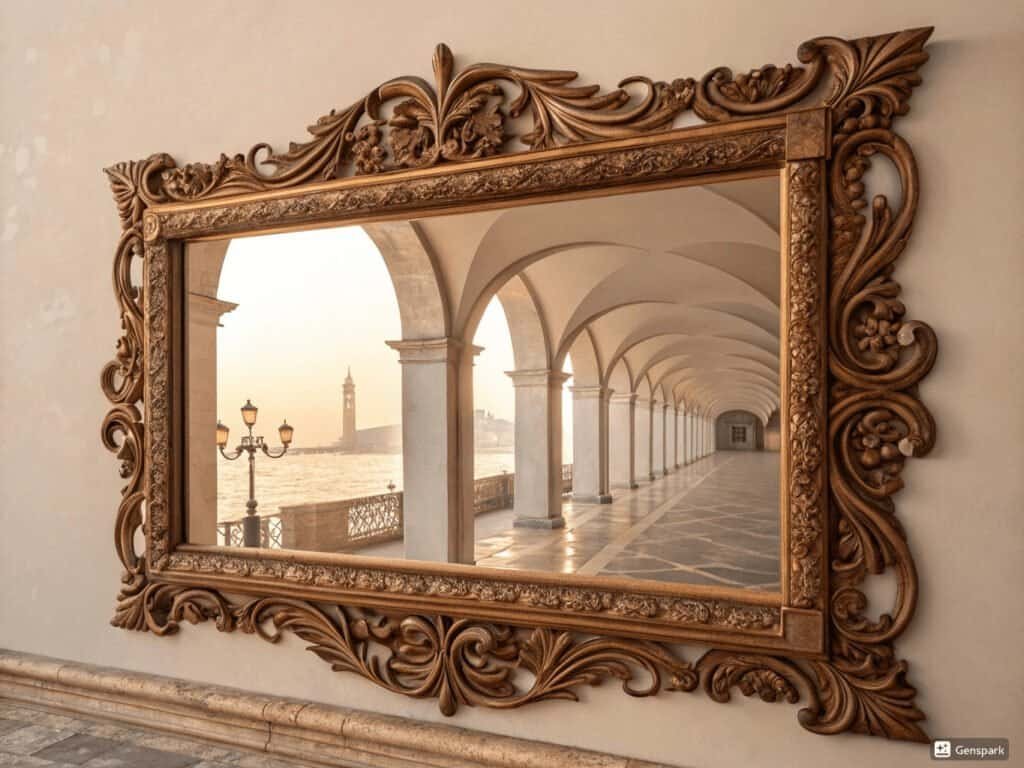
A silver mirror refers to the reflective coating technology rather than the frame material, which often confuses buyers new to the glass mirror industry. Traditional mirrors use a thin layer of silver deposited on glass to create the reflective surface because silver reflects light extremely well.
Normal mirrors today typically use aluminum coating instead of silver for the reflective layer. This switch happened because aluminum costs less and still provides excellent reflection quality for everyday applications like bathroom mirrors and vanity mirrors. The actual reflection difference is minimal for most users.
However, silver mirrors offer superior reflectivity, typically reflecting about 95 к 99 percent of visible light compared to aluminum mirrors which reflect 88 к 92 percent. This extra brightness matters for applications requiring maximum light output, such as lighted makeup mirror setups or professional vanity mirror with led lights where color accuracy is important. Silver-coated mirrors also last longer in humid environments, making them preferred choices for high-end led bathroom mirror installations. The moisture resistance comes from silver’s natural resistance to corrosion compared to aluminum, which can oxidize over time even with protective layers. When manufacturers advertise a round silver mirror or framed silver mirror, they usually mean the reflective coating is silver, while the frame itself might be aluminum, wood, or another material entirely. Understanding this distinction prevents confusion during procurement for light up vanity mirror projects or wall mirror with lights installations.
Quick Identification Guide
| Test Method | What to Look For | Aluminum Result | Silver Result |
|---|---|---|---|
| Weight Test | Hold same-size pieces | Feels light | Feels heavy (4x denser) |
| Ice Cube Test | Time to melt | 12-15 minutes | 8-10 minutes |
| Visual Check | Color and shine | Grayish, softer glow | Bright white, brilliant shine |
| Price Check | Cost per frame | $15-30 typical | $600-800 typical |
| Sound Test | Tap with metal | Dull, flat tone | Clear, ringing tone |
| Acid Test | Drop of vinegar | Bubbles form | No reaction |
What Is the Difference Between an Aluminum Mirror and a Silver Mirror?
An aluminum mirror uses an aluminum coating as its reflective surface, while a silver mirror uses silver coating. Both serve the same basic function of reflecting light, but their performance characteristics differ in ways that affect product selection for different environments.
Aluminum mirrors cost significantly less to produce, typically 40 к 60 percent cheaper than silver mirrors of the same size. This makes them the standard choice for mass-market products including most mirrors with black frame designs, modern bathroom mirror collections, and basic room mirror ideas. The lower cost allows manufacturers to offer competitive prices on led vanity mirror and bathroom vanity lights packages.
Silver mirrors deliver better optical performance with higher reflectivity, more accurate color reproduction, and greater durability in challenging conditions. The enhanced reflectivity means silver mirrors appear brighter and clearer, which benefits applications where lighting quality matters such as lighted vanity mirror setups or professional makeup stations. Silver coatings also withstand humidity better than aluminum coatings, reducing the risk of edge corrosion or “black edge” defects that sometimes appear on bathroom mirrors after years of exposure to moisture. For premium led mirror products or backlit mirror installations in luxury hotels and high-end residences, silver mirrors justify their higher cost through superior longevity and performance. The choice between aluminum and silver mirror coatings depends on your budget, quality requirements, and installation environment, with silver offering the best performance at a premium price point.
Why Does Material Identification Matter for LED Mirror Buyers?
Accurate material identification protects your business from financial losses and quality problems that damage your reputation with customers. When suppliers misrepresent materials, you pay premium prices for inferior products or receive materials unsuitable for your intended application.
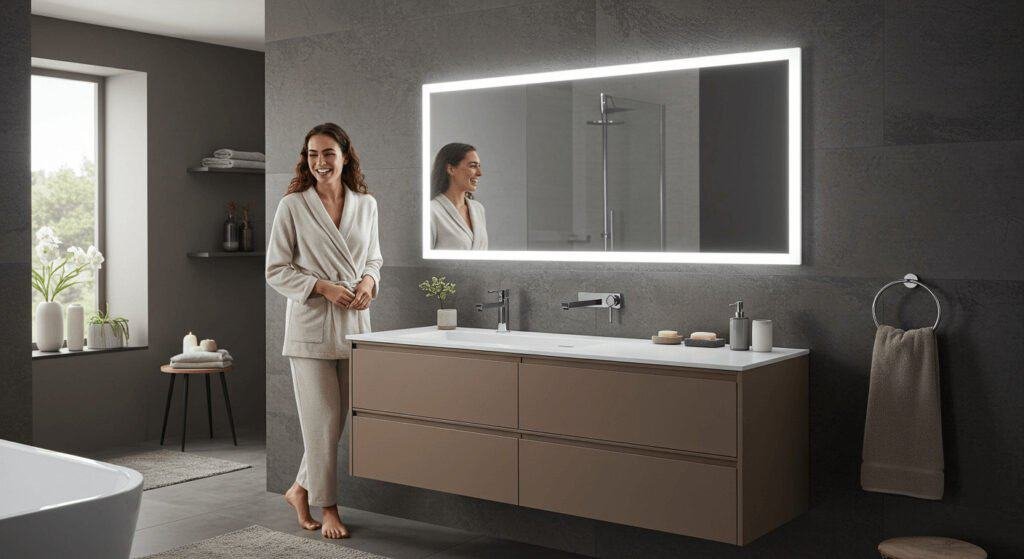
Aluminum serves as the ideal material for most led mirror frames because it combines light weight, good corrosion resistance, excellent workability, and reasonable cost. These properties matter when manufacturing modern lighted mirrors for bathrooms where moisture exposure demands corrosion-resistant materials and wall mounting requires lightweight construction.
Knowing how to verify aluminum content ensures you receive the specifications you paid for in your lighted vanity mirrors for bathroom orders. Material confusion creates serious problems beyond immediate financial loss. If you market products as silver-framed when they actually contain aluminum, customers who discover the truth may leave negative reviews, demand refunds, or pursue legal action for misrepresentation. The reverse situation, receiving silver when you specified aluminum, means you overpaid significantly and may have priced your products too low to maintain profitability. For led light mirror vanity manufacturers and distributors, material verification forms part of quality control alongside checking electrical components, mirror coating quality, and LED performance. Professional buyers incorporate multiple verification methods into their inspection protocols, testing samples from each shipment rather than assuming consistency. This vigilance becomes especially important when dealing with new suppliers or placing large orders for products like backlit mirror installations or comprehensive bathroom lighting packages combining vanity lights with bathroom vanity mirrors.
Comparison Table: Aluminum vs Silver Properties
| Property | Aluminum | Silver | Impact on LED Mirrors |
|---|---|---|---|
| Density | 2.70 g/cm³ | 10.49 g/cm³ | Aluminum frames are 75% lighter, easier to mount |
| Price per kg | $2-3 | $800-900 | Silver costs 300-400 times more |
| Reflectivity | 88-92% | 95-99% | Silver coatings provide brighter reflection |
| Corrosion Resistance | Good with coating | Excellent | Silver performs better in humid bathrooms |
| Thermal Conductivity | 205 W/m·K | 429 W/m·K | Silver dissipates LED heat more effectively |
| Workability | Excellent | Good | Aluminum easier to fabricate into complex shapes |
| Hardness | Higher | Lower | Aluminum frames resist scratches better |
Understanding these differences empowers you to make informed purchasing decisions whether you source small bathroom mirror units or large commercial projects involving hundreds of lighted bathroom mirror installations. Material verification should become routine practice rather than an occasional check, protecting your investment and ensuring your customers receive the quality they expect from your led mirror products.
- Clik here to know What Is Copper Free Mirror?
- If you donot know how too choose the right bathroom height click here.
- Know more about LED bathroom mirror Problems
- Clik here to know why Touch Sensor Mirror Not Working
- Clik here to know What Are Standard Vanity Mirror Sizes?
- Clik here to know Why Are Mirrors So Expensive?
- Clik here to know Do LED Mirrors Need Electricity?
- Clik here to know Is a Lighted Mirror Enough Light for a Bathroom?
- Find out 10 Common LED Bathroom Mirror Problems Click Here