אתה מסתכל במראה כל יום - אבל האם אתה באמת יודע מה קורה? כיצד מוסברת השתקפות מראה? רוב האנשים לא. ואם אתה לא יכול להבחין בין השתקפות טובה לרעה, אתה לא יכול לבחור את המראה הנכונה.
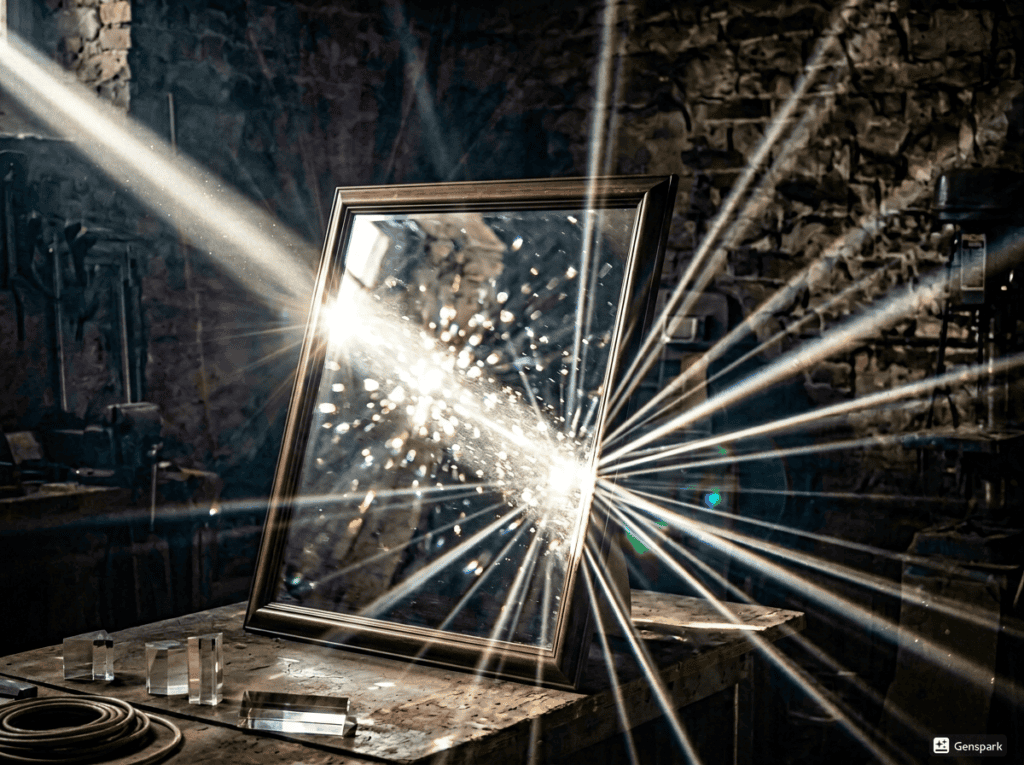
השתקפות מראה מתרחשת כאשר האור קופץ מחלקה, משטח מצופה וחוזר בחזרה לעיניים שלך. הכלל פשוט: האור תמיד קופץ באותה זווית שבה הגיע. טוב מראה זכוכית - עם גיבוי כסף או אלומיניום נקי - שולח את האור הזה בחזרה בצורה כל כך מדויקת עד שמקבלים צלילים חדים, תמונה ברורה של עצמך ושל כל מה שסביבך.
נשמע פשוט, יָמִינָה? אבל יש הרבה יותר מתרחש מתחת לפני השטח. בואו נחפור.
כיצד פועלת השתקפות מראה?
רוב האנשים חושבים רק מראה “מופעים” כל מה שנמצא מולו - כמו חלון שאי אפשר לראות דרכו. אבל מה שקורה בפועל הוא משחק מאוד מדויק של הקפצות אור.
הנה הרעיון הבסיסי: כל מה שאתה יכול לראות - הפנים שלך, מנורה, מגבת על המתלה - שולחת כל הזמן קרני אור לכל כיוון. חלק מהקרניים הללו נעות לכיוון המראה. כשהם פוגעים במראה חלקה, משטח מצופה, הם חוזרים לכיוון העיניים שלך. המוח שלך קולט את הקרניים החוזרות ובונה תמונה. התמונה הזו היא ההשתקפות שלך.
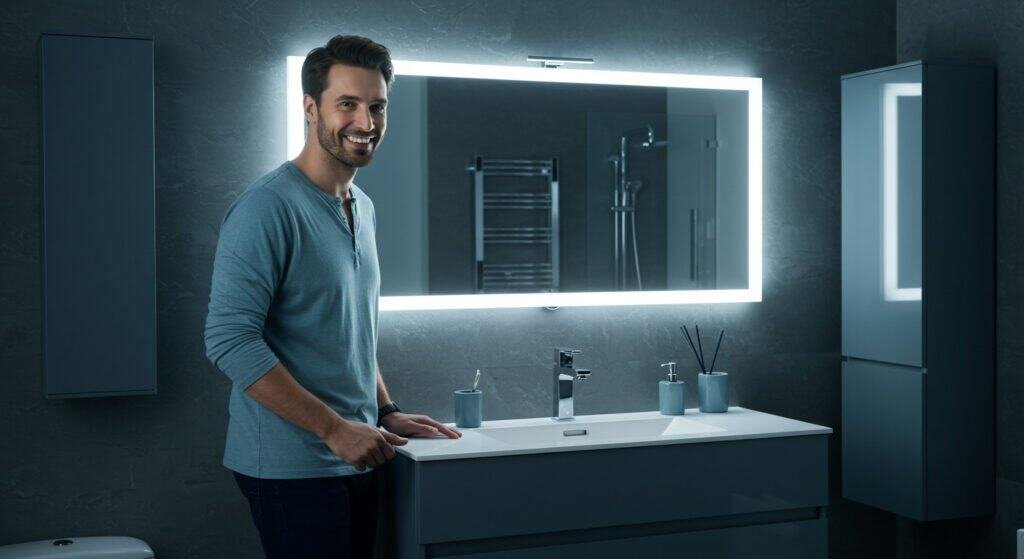
זו הסיבה שהתאורה חשובה כל כך. א מראת איפור מוארת אוֹ מראת LED לאמבטיה מכניס אור בדיוק היכן שהוא נחוץ - ישירות על משטח המראה - כך שהתמונה המשתקפת בהירה, אֲפִילוּ, ומדויק. בלי אור טוב, אפילו היקרים ביותר מראת איפור בחדר האמבטיה ייראה משעמם ומוצל. אור והשתקפות עובדים יחד, תָמִיד.
מהו חוק ההשתקפות?
כל מראה בעולם - מא מראה חדר אמבטיה קטנה מעל כיור באורך מלא מראת LED בלובי של מלון - פועל לפי כלל אחד פשוט: הזווית פנימה שווה לזווית החוצה.
| אור זווית פוגע במראה | זווית זה קופץ בחזרה | מה שתראה |
|---|---|---|
| 0° (ישר הלאה) | 0° | האור חוזר ישר למקור |
| 45° | 45° | התמונה מופיעה בצד |
| 90° (לאורך פני השטח) | 90° | אור מרחף את פני השטח וממשיך |
| כל זווית (אֲנִי) | אותה זווית (אֲנִי) | החוק תמיד מתקיים, אין חריגים |
דמיינו שאתם מגלגלים כדור על קיר. אם תגלגל אותו ישר על הקיר, הוא קופץ ישר לאחור. אם תגלגל אותו בזווית, הוא קופץ משם באותה זווית בצד השני. האור עובד בדיוק באותו אופן. הזווית שבה האור פוגע במראה (נקראת זווית נפילה) שווה תמיד לזווית שבה הוא קופץ לאחור (זווית ההשתקפות).
הכלל הזה הוא הסיבה שמראות מייצרות תמונות כה מדויקות. כי כל קרן אור מוחזרת בזווית צפויה לחלוטין, התמונה שהעיניים שלך מקבלות נכונה מבחינה גיאומטרית. זה גם מסביר מדוע פני המראה של המראה חייבים להיות חלקים במיוחד - אפילו בליטה או שריטה זעירה משבשים את הזווית המדויקת ומכניסים טשטוש או עיוות. זו הסיבה בדרגה מקצועית מראות איפור LED ו מראות עם תאורה אחורית עשויים עם מלוטש בקפידה, זכוכית שטוחה ולא זכוכית רגילה.
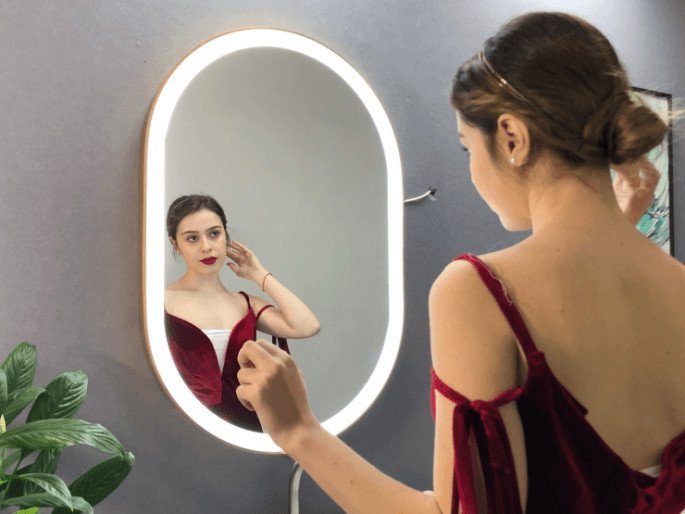
מה מייחד מראה ממשטחים מבריקים אחרים?
אם האור מקפיץ את הכל, מדוע כיור נירוסטה או קיר אריחים מבריק אינם נותנים לך השתקפות ברורה של עצמך?
התשובה היא ההבדל בין שני סוגי השתקפות. על משטחים מחוספסים - מתכת לא מלוטשת, קירות מצוירים, בד - פני השטח גבשושיים ברמה מיקרוסקופית, כמו רכס הרים במבט מלמעלה. האור פוגע בכל הבליטות הקטנטנות האלה ומתפזר באלפי כיוונים אקראיים. אתה יכול לראות את פני השטח, אבל אין צורות תמונה ברורות. זה נקרא השתקפות מפוזרת.
א מראה זכוכית שונה כי פני השטח שלו שטוחים כמעט לחלוטין, עד לשבריר זעיר של מילימטר, ומצופה בדק, שכבה אחידה של כסף או אלומיניום. כל קרן אור חוזרת בקצב עקבי, זווית צפויה. כל הקרניים האלה מגיעות לעין שלך לפי הסדר, והמוח שלך מרכיב אותם לתמונה חדה. זה נקרא השתקפות ספקולרית - וזה מה שהופך מראה למראה.
זה גם מסביר מדוע איכות הזכוכית עצמה חשובה. מראות בעלות נמוכה יותר משתמשות לרוב בזכוכית עם גוון ירוק חלש (נגרם על ידי ברזל בזכוכית) או גליות קלה שמעוותת בעדינות את ההשתקפות. פּרֶמיָה מראות מודרניות לאמבטיה ו מראה תאורה LED מוצרים משתמשים ברמת ברזל נמוכה, זכוכית בהירות גבוהה עבור אמיתי יותר, תמונה בהירה יותר ללא קשת צבע - משהו שעושה הבדל גלוי, במיוחד במסגרות מקצועיות או קמעונאיות.
איך מראות יכולות לשקף דברים שלא נמצאים ישירות מולם?
הנה משהו שמפתיע הרבה אנשים: מראה לא רק מראה את מה שעומד ממש מולה. זה יכול לשקף חפצים בצד, מֵעַל, או אפילו מוסתר חלקית מאחורי דברים אחרים.
הסיבה חוזרת לאופן שבו האור נע. כל חפץ בחדר שולח כל הזמן אור לכל הכיוונים - כמו מדורה ששולחת ניצוצות החוצה לכל כיוון בבת אחת. חלק מקרני האור הללו יפגעו במראה בדיוק בזווית הנכונה כדי לחזור אחורה לכיוון העיניים שלך, גם אם האובייקט עצמו אינו בקו ישר איתך ועם המראה.
תחשוב על זה כמו משחק ביליארד. אתה לא צריך לכוון את כדור הלבן ישר לכיס - אתה יכול להקפיץ אותו מכרית הצד בזווית כדי להגיע אליו. האור עושה את אותו הדבר עם מראות. זו הסיבה שא מראה קיר עם אורות ממוקם בפינת חדר האמבטיה יכול לשקף נוף רחב להפתיע של החדר. זה גם למה מראות תאורה בחדר האמבטיה נראה כאילו הוא מאיר חלל שלם, לא רק השטח שמולם.
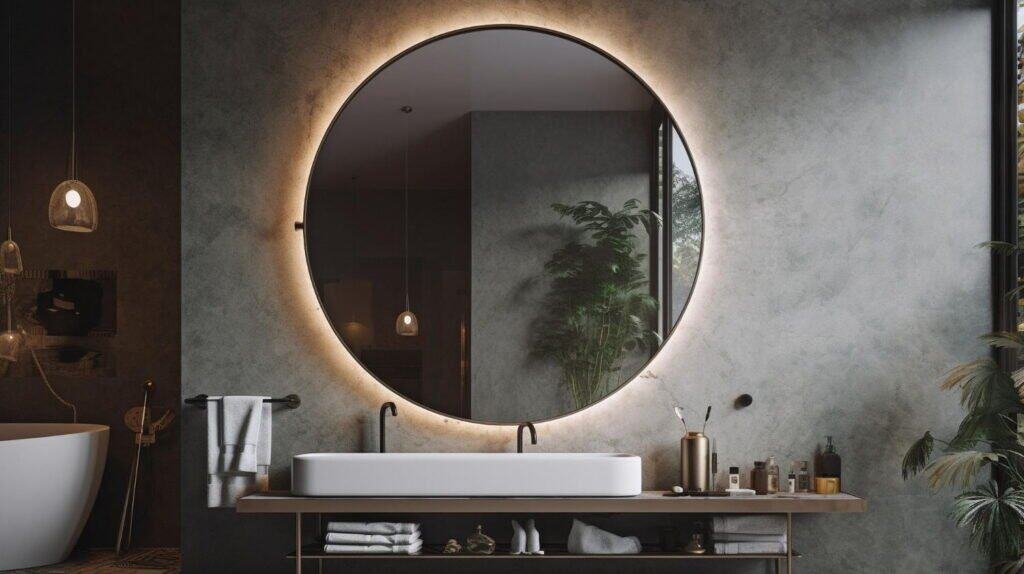
איך מראה משקפת דברים סביבה מבלי להיות מולם?
ללכת צעד אחד קדימה: כל נקודה בודדת על פני המראה פועלת כנקודת השתקפות זעירה משלה, להקפיץ באופן עצמאי אור מכיוון מסוים לעבר יעד ספציפי.
תדמיין את זה ככה. אתה עומד בחדר אמבטיה עם גדול מראה מודרנית מוארת לחדרי אמבטיה על הקיר. צמח יושב משמאלך. האור מהצמח עובר לקצה השמאלי של המראה בזווית מסוימת, קופץ בחזרה, ומגיע לעין ימין. באותו רגע, האור ממנורת התקרה פוגע בחלק העליון של המראה בזווית אחרת ומשתקף כלפי מטה לעבר הפנים שלך. המוח שלך קולט את כל הקרניים המוחזרות הללו בו זמנית ותופר אותן לתמונה אחת שלמה של החדר.
זו הסיבה שמראות גדולות יותר גורמות לחדרים להרגיש גדולים ומוארים יותר. באורך מלא מראת LED או רחב מראה מלבנית לאמבטיה מיירט קרני אור מטווח הרבה יותר גדול של זוויות, נותן לעיניים שלך מידע משתקף הרבה יותר לעבוד איתו. זה לא קסם - זו גיאומטריה.
מדוע מראה יכולה לראות מאחורי מגבת או מכשול אחר?
זה עולה הרבה ניסויי השתקפות מראה והדגמות אופטיות, וזה נראה כמעט כמו טריק קסם בהתחלה.
הנה המפתח: מגבת התלויה בחדר האמבטיה שלך לא חוסמת כל נתיב אפשרי שהאור יכול לעבור. אור מחפץ מאחורי המגבת יכול להתגנב מסביב לקצוות המגבת, לנסוע בזווית לכיוון המראה, ואז קפץ בחזרה לעיניים שלך - נותן לך לראות את האובייקט למרות שהוא “מֵאָחוֹר” המגבת מנקודת המבט הישירה שלך.
זה דומה לאופן שבו אתה יכול לשמוע מישהו מדבר מעבר לפינה. גלי קול - וקרני אור - לא צריכים ישר, דרך ברורה. הם עובדים עם כל נתיבים זמינים. למיקום מראה, זה אומר ממוקמת היטב מראה עם תאורה אחורית אוֹ מראה מלבנית לאמבטיה יתפוס שדה ראייה רחב יותר ממה שרוב האנשים מצפים, כולל אזורים שנראים חסומים על ידי ארונות, מדפים, או מתקנים. מעצבי פנים משתמשים בעקרון זה ללא הרף כאשר הם חושבים לעומק רעיונות למראות בחדר לחללים קומפקטיים.
איך אתה יכול לראות משהו מאחורי משהו אחר במראה?
זה אותו רעיון, אבל מנקודת המבט שלך כמתבונן - וכדאי להסביר לבד כי זה באמת שימושי להבנה.
כשאתה מסתכל במראה, אתה בעצם מתחקה אחר קרני אור לאחור מהעיניים שלך. קו הראייה שלך עובר לנקודה על המראה, קופץ בזווית שווה, ומוביל לכל חפץ ששלח אור לאותו נקודה בדיוק. אם הנתיב המשתקף הזה מוביל לאובייקט שמוסתר מאחורי אובייקט אחר מהראייה הישירה שלך, אתה עדיין תראה את זה - כי האור עשה מעקף דרך המראה במקום לנסוע בקו ישר.
זו בדיוק הסיבה מראות איפור מוארות ו מראות איפור מוארות לחדרי אמבטיה עם זוויות מתכווננות הם כל כך פרקטיים. על ידי הטיה קלה של המראה, אתה מפנה מחדש את נתיבי האור המוחזרים ומקבל תצוגה של אזורים שלא יכולת לראות קודם - החלק האחורי של הראש שלך, את צידי הפנים שלך, או תצוגה מלאה של תלבושת. א מראת איפור עם נורות לד שיכול להטות או להסתובב נותן למשתמש הרבה יותר גמישות מאשר שטוח, מראה קבועה יכולה אי פעם.

מדוע מראות הופכים תמונות אופקית?
זוהי אחת מחידות המראה המפורסמות ביותר, והתשובה באמת מפתיעה: מראות לא ממש מתהפכות ימינה ושמאלה. הם מתהפכים מלפנים ומאחור.
הנה דרך פשוטה לחשוב על זה. תאר לעצמך שאתה מחזיק פיסת נייר עם המילה “שלום” כתוב עליו. אם תהפוך אותו משמאל לימין, האותיות הפוכות. אבל אם אתה דוחף אותו עם הפנים תחילה דרך מראה דמיונית - הופך אותו מלפנים לאחור - תקבל גם תמונה הפוכה, וזה מה שמראה בעצם עושה. זה מעיף את העומק שלך, לא הצדדים שלך.
הסיבה שזה נראה כמו היפוך שמאלה-ימין היא בגלל שהמוח שלך מדמיין אוטומטית לסובב את ההשתקפות שלך כדי לפנות לאותו כיוון כמוך. הסיבוב המנטלי הזה הוא מה שיוצר את ההחלפה לכאורה משמאל-ימין - זה טריק שהמוח שלך משחק, לא משהו שהמראה עושה.
לשימוש יומיומי, זה לא משנה הרבה. אבל זה חשוב מאוד בעיצוב של מראות חכמות שמכסה טקסט דיגיטלי או גרפיקה על השתקפות - התוכנה חייבת לתת את הדעת על ההיפוך התפיסתי הזה כך שמספרים, שעונים, והתוויות נראות קריאות ולא הפוכות.
מה אלוהים אומר על מראות?
עבור אנשים רבים - במיוחד ברחבי המזרח התיכון, צפון אפריקאי, ותרבויות אמריקה הלטינית, שהם בין השווקים העיקריים עבור מראות LED לאמבטיה ו מראות איפור לאמבטיה - המשמעות של מראה חורגת מפיזיקה.
ההתייחסות הידועה ביותר מגיעה מהתנ"ך, ב 1 קורינתיים 13:12, שמתאר את הראייה “דרך כוס בחושך” - מטאפורה לחלקית, ידע לא מושלם, נמשך ממראות הברונזה האפלוליות של העולם העתיק. ג'יימס 1:23–24 משתמש במראה כסמל לבחינה עצמית: אדם ששומע חוכמה אבל לא פועל לפיה הוא כמו מישהו שמציץ בבבואתו ושוכח מיד מה ראה.
במסורת האסלאמית, המראה קשורה לכנות ולמודעות עצמית. על פני תרבויות רבות, ברור, מראה לא מעוות נתפסת כמשהו שאומר את האמת - מה שנותן לאיכות המראה משמעות שחורגת מהאסתטיקה. עבור קונים מיקור מראות איפור לאמבטיה אוֹ מראות מוארות לאמבטיה לשווקים שבהם ערכי התרבות הללו חזקים, איכות המוצר אינה רק שיקול מסחרי. הוא נושא רובד של משמעות המהדהד עם משתמש הקצה.
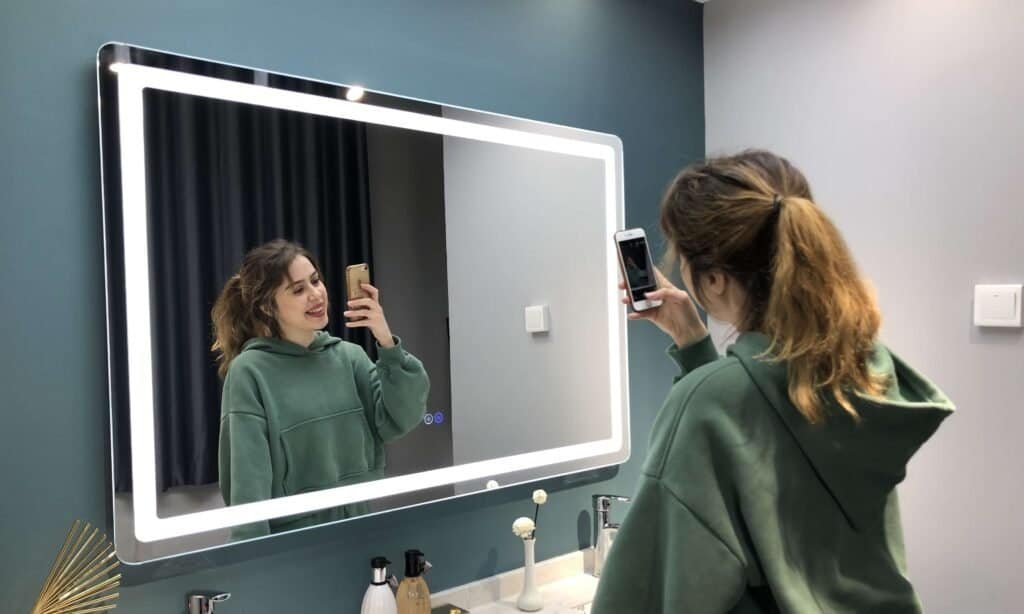
כיצד איכות המראה משפיעה על בהירות השתקפות?
לכל מי שקונה מראות בקנה מידה - בין אם לפרויקט בנייה, רשת הפצה קמעונאית, או התאמת אירוח - הבנה מה מפריד בין מראה טובה למראה גרועה היא חיונית.
| גורם איכות | מראה בסיסית | מראה LED פרימיום |
|---|---|---|
| סוג זכוכית | זכוכית סטנדרטית (גוון ירוק קל) | ברזל נמוך, זכוכית שקופה |
| ציפוי רפלקטיבי | אלומיניום בסיסי (השתקפות של ~85-90%.) | ציפוי כסף (~95% השתקפות) |
| שטוחות פני השטח | גלים קטנים או פגמים | שטוח בדיוק, עיוות מינימלי |
| דיוק צבע | קשת צבע קלה | נָכוֹן, עיבוד צבע ניטרלי |
| גימור קצה | גולמי או פשוט חתוך | מְלוּטָשׁ, מְמוּסגָר, או משופעים |
| תכונות נוספות | אַף לֹא אֶחָד | נגד שן, עמעום, בלוטות', חיישנים |
הציפוי הרפלקטיבי הוא הגורם הגדול ביותר. ציפוי כסף משתקף מסביב 95% של אור נראה; ציפוי אלומיניום סטנדרטיים משקפים 85-90%. על פני גדול מראת איפור בחדר האמבטיה או באורך מלא מראת LED, ההבדל הזה נראה בבירור - במיוחד בתנאי תאורה נמוכים יותר כמו חדרי אמבטיה מוקדם בבוקר או בערב.
בחירות המסגרת והגימור מעצבות גם את האופן שבו המוצר נתפס בקמעונאות. מראות עם מסגרות שחורות, לְדוּגמָה, לצלם היטב, ליישר קו עם מגמות עיצוב הפנים הנוכחיות, וקל יותר למקם אותם בנקודת מחיר פרימיום - שיקול חשוב למפיצים המוכרים לשוק האמריקאי או האירופי.
כיצד מראות LED משפרות את ההשתקפות לשימוש מעשי?
מראה יכולה לעבוד רק עם האור שהיא קולטת. תאורה לקויה פירושה השתקפות גרועה - לא משנה כמה הזכוכית או הציפוי טובים. זו הסיבה העיקרית לכך מראות LED לאמבטיה ו מראות איפור מוארות הפכו לסטנדרט בחדרי אמבטיה מודרניים ולא לתוספת יוקרתית.
תאורת חדר אמבטיה סטנדרטית זורחת מלמעלה, להטיל צללים מתחת לסנטר, אַף, ועיניים - התאורה הגרועה ביותר האפשרית כדי לראות את הפנים שלך בבירור. א מראת LED אוֹ מראה חדר אמבטיה מואר מניח את מקור האור במראה עצמה, עוטפת את הפנים שלך בצורה אחידה, תאורה הפונה קדימה שמבטלת את הצללים הללו לחלוטין.
מוֹדֶרנִי מראות עם תאורה אחורית ו מראות איפור מוארות קח את זה הלאה על ידי הצעת טמפרטורת צבע מתכווננת - בדרך כלל נעה בין צהוב חם (בסביבות 3,000K, בדומה לאור נרות) לקרר לבן (בסביבות 6,500K, דומה לאור יום). זה מאפשר למשתמשים להתאים את התאורה שלהם לסביבה שאליה הם מתלבשים, שהוא בעל ערך במיוחד עבור מריחת איפור. בחירה בטמפרטורת צבע שגויה היא הסיבה הנפוצה ביותר לכך שאיפור נראה שונה בפנים מאשר בחוץ.
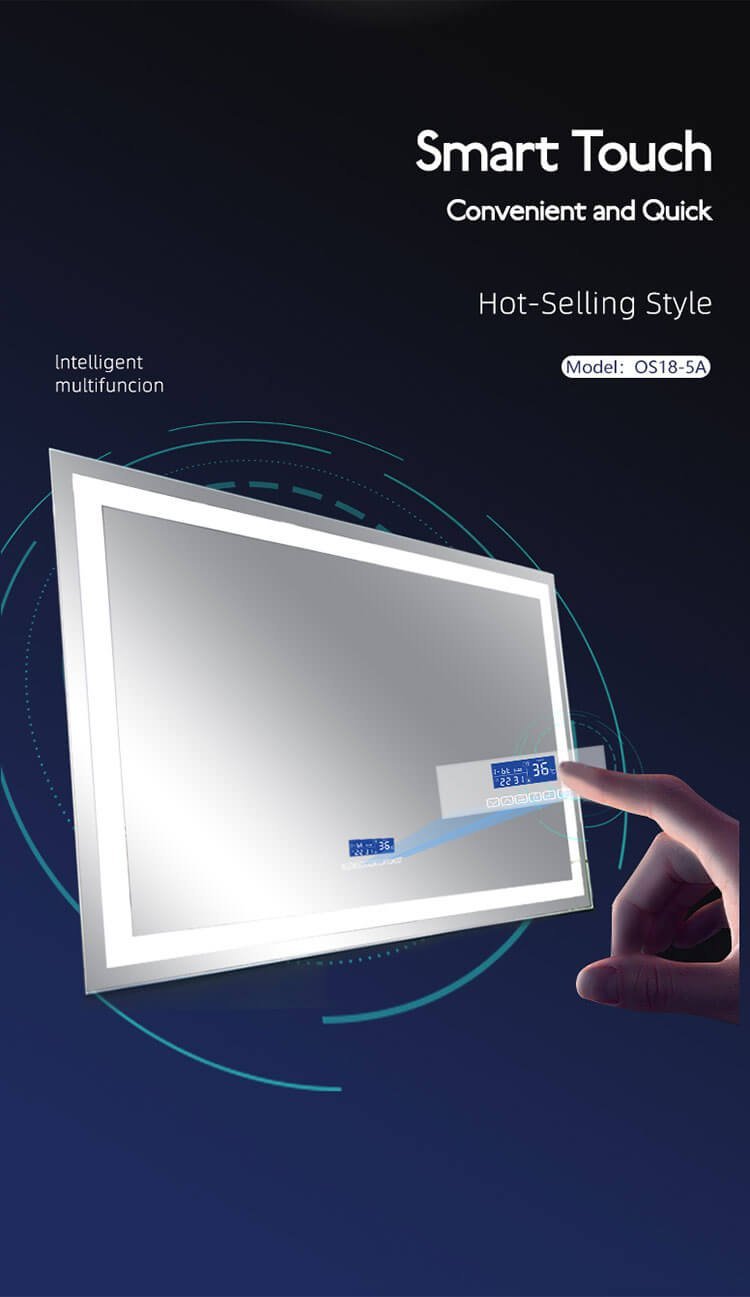
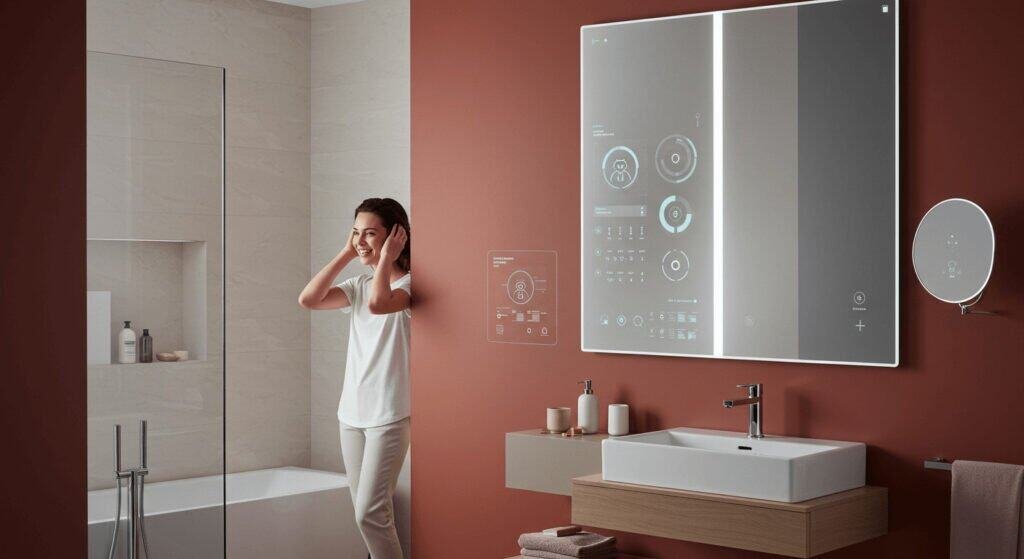
מעבר לתאורה, של היום מראות חכמות ו מראות מודרניות מוארות לחדרי אמבטיה יכול לכלול לוחות חימום נגד ערפל, רמקולים בלוטות', תצוגות זמן וטמפרטורה, תאורה מופעלת בתנועה, וקטעי הגדלה מובנים. תכונות אלה הופכות משטח זכוכית פסיבי לכלי יומיומי שימושי באמת - וזו הסיבה לביקוש מראת LED היצוא מיצרנים סיניים גדל בהתמדה ברחבי דרום אמריקה, מזרח תיכוני, ושווקים בצפון אפריקה, שם ממשיכים להתרחב שיפוץ חדרי אמבטיה ובניית אירוח.

מַסְקָנָה
השתקפות מראה היא רק אור בהתאם לכללים פשוטים - אבל המראה שתבחר קובעת עד כמה הכללים האלה עובדים בשבילך. זכוכית טובה יותר, ציפוי טוב יותר, אור טוב יותר: זו הנוסחה לשיקוף שכדאי לסמוך עליו.
- לחץ כאן כדי לדעת מהי מראה ללא נחושת?
- אם אתה לא יודע איך לבחור את גובה האמבטיה הנכון לחץ כאן.
- למידע נוסף על בעיות במראה LED בחדר האמבטיה
- לחץ כאן כדי לדעת מדוע מראה חיישן מגע לא עובד
- לחץ כאן כדי לדעת מה הם גדלים סטנדרטיים של מראת איפור?
- לחץ כאן כדי לדעת למה מראות כל כך יקרות?
- לחץ כאן כדי לדעת האם מראות LED זקוקות לחשמל?
- לחץ כאן כדי לדעת האם מראה מוארת מספיק אור לחדר רחצה?
- לְגַלוֹת 10 בעיות נפוצות במראות LED לחדרי אמבטיה לחץ כאן
מתעניין במראות לד בהתאמה אישית - מראות לאמבטיה, מראות באורך מלא, מראות איפור, או מראות ממוסגרות? צור קשר עם ג'וזי בכתובת josie@hixen.co.