قد يكون الاختيار بين المرايا الفضية والألومنيوم أمرًا مربكًا عند شراء مرايا الحمام لمنزلك أو عملك. اختر النوع الخاطئ, وقد ينتهي بك الأمر بمرآة تبدو باهتة, يلبس بسرعة, أو يخيب عملائك.
تعكس المرايا الفضية 95-99% من الضوء, مما يجعلها أكثر سطوعاً ووضوحاً من مرايا الألمنيوم العاكسة 85-90% من الضوء. تعمل الفضة بشكل أفضل مع مشاريع مرايا الحمام LED المتطورة حيث تكون جودة الصورة أكثر أهمية. مرايا الألمنيوم أقل تكلفة وتتعامل مع الرطوبة بشكل أفضل, مما يجعلها الاختيار الذكي لمرايا الحمام القياسية عندما تحتاج إلى مراقبة ميزانيتك.
دعنا نحلل الاختلافات الحقيقية حتى تتمكن من اتخاذ القرار الصحيح لمشروعك.
هل الفضة والألمنيوم نفس الشيء؟?
يعتقد بعض الناس أن الفضة والألومنيوم معادن متشابهة لأنهما يبدوان لامعين في المرايا.
الفضة والألمنيوم معادن مختلفة تمامًا ولها خصائص مختلفة. الفضة هي رقم العنصر 47 في الجدول الدوري ويعكس الضوء بشكل جيد للغاية. الألومنيوم هو رقم العنصر 13 ويقاوم الصدأ أفضل من الفضة.
فكر في الأمر مثل مقارنة الذهب بالنحاس. قد تبدو متشابهة, لكنها مصنوعة من مواد مختلفة بقوى مختلفة. تزن الفضة أكثر بكثير من الألومنيوم. إذا أمسكت بقطعة من الفضة النقية وقطعة من الألومنيوم النقي بنفس الحجم, ستشعر الفضة بأنها أثقل بحوالي أربع مرات. تقوم الفضة بتوصيل الكهرباء والحرارة بشكل أفضل من أي معدن آخر تقريبًا, ولهذا السبب يتم استخدامه في الإلكترونيات والمرايا عالية الجودة. يشكل الألومنيوم طبقة حماية طبيعية عند تعرضه للهواء, مما يمنعه من الصدأ. وهذا يجعل الألومنيوم مثاليًا لمرايا الحمام التي تتعامل مع الرطوبة يوميًا. عندما يقول المصنعون “مرآة فضية” لمرآة مكياج مضاءة أو مرآة بإضاءة خلفية, إنهم يتحدثون عن الطبقة الرقيقة الموجودة على الجزء الخلفي من الزجاج, وليست المرآة بأكملها مصنوعة من الفضة الصلبة. يبدأ كلا النوعين بالزجاج العادي, لكن الطلاء الموجود على الظهر يحدد مدى انعكاسها ومدة استمرارها.
ما هي المرآة الفضية?
إن فهم كيفية بناء المرايا الفضية يساعدك على معرفة ما تشتريه بالفعل.
تحتوي المرآة الفضية على أربع طبقات رئيسية تعمل معًا. الأول هو الزجاج الذي تنظر فيه. وخلف ذلك توجد طبقة رقيقة جدًا من المعدن الفضي يبلغ سمكها سمك شعرة الإنسان مقسمة على طولها 100. بعد ذلك تأتي طبقة نحاسية تحمي الفضة. أخيراً, هناك طبقة طلاء تغلق كل شيء وتمنع الرطوبة.
يتضمن صنع مرآة الحمام الفضية عملية كيميائية دقيقة. يقوم المصنعون برش المواد الكيميائية التي تحتوي على الفضة على الزجاج النظيف. تتفاعل هذه المواد الكيميائية وتخلق ملمسًا ناعمًا, طبقة متساوية من معدن الفضة النقية على سطح الزجاج. تم استخدام هذه الطريقة منذ القرن التاسع عشر وما زالت تنتج أوضح انعكاس يمكنك الحصول عليه في مرآة الزينة المضيئة. تستمر الطبقة النحاسية بعد ذلك. يخدم النحاس وظيفتين: فهو يجعل المرآة أقوى ويمنع الفضة من التحول إلى اللون الأسود عندما تلامس الكبريت الموجود في الهواء. تشتمل المرايا الفضية الحديثة لاستخدام مرآة الحمام الخفيفة على طبقات حماية إضافية تمنع الرطوبة, مساعدة المرآة في النهاية 15 ل 20 سنوات في الحمام الرطب. سمك الطبقة الفضية مهم. تستخدم منتجات مرايا الحمام LED المميزة الفضة السميكة للوصول إلى ذلك 98-99% معدل الانعكاس الذي يجعل الوجوه تبدو واضحة والألوان تبدو دقيقة في مرآة الحائط المزودة بالأضواء.
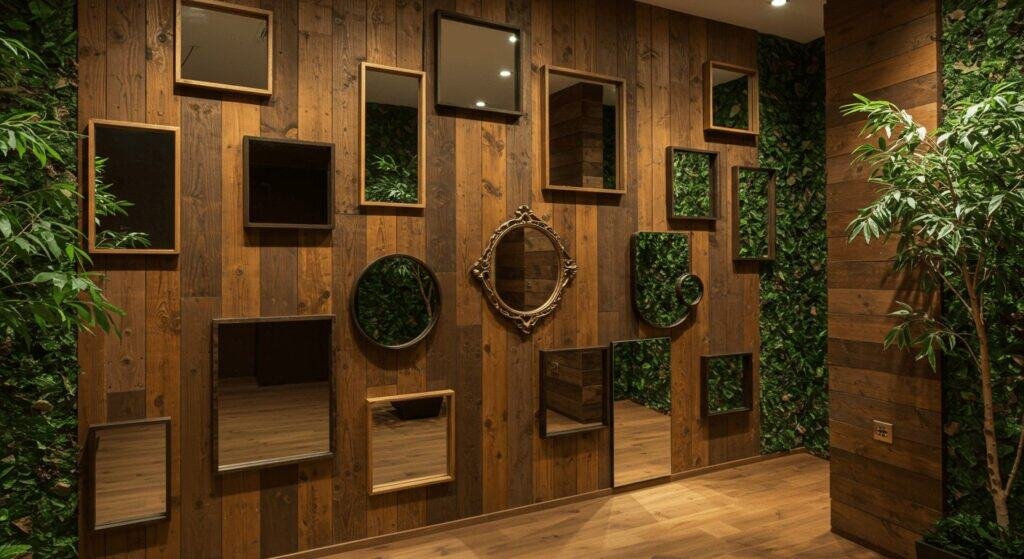
ما هو الفرق بين طلاء المرآة الفضية والألومنيوم؟?
الطريقة التي تصنع بها هذه المرايا تعطي نتائج مختلفة لحمامك.
تحصل المرايا الفضية على طلاءها من خلال عملية كيميائية رطبة حيث تتحول الفضة السائلة إلى معدن صلب على الزجاج. تتلقى مرايا الألومنيوم طلاءها في غرفة مفرغة خاصة حيث يلتصق بخار الألومنيوم بالزجاج. تعمل هذه الطرق المختلفة على إنشاء مرايا ذات مستويات سطوع مختلفة, عمر, والأسعار.
تتطلب عملية الطلاء الفضي تحكمًا مثاليًا في درجة الحرارة وخلطًا كيميائيًا دقيقًا للحصول على الانعكاس الواضح تمامًا الذي تريده في مرايا الزينة المضيئة المتطورة.. تشبه هذه العملية عملية تطوير الصور الفوتوغرافية في غرفة مظلمة, حيث يجب أن يكون كل شيء على ما يرام. أيتم طلاء الألمنيوم في غرفة مغلقة مع ضخ كل الهواء للخارج. يقوم المصنعون بتسخين الألومنيوم حتى يتحول إلى بخار, والذي يستقر بعد ذلك على الزجاج ويتحول مرة أخرى إلى معدن صلب. وهذا يخلق طبقة أرق ولكن أكثر صرامة. يلتصق الألمنيوم بالزجاج بشكل أفضل ويتعامل مع رطوبة الحمام بشكل أكثر فعالية من الفضة. تبلغ سماكة الطلاءات الفضية حوالي عشر مرات سمك الطلاءات المصنوعة من الألومنيوم, ومع ذلك، لا تزال الفضة تعكس المزيد من الضوء بسبب كيفية عمل معدن الفضة بشكل طبيعي. تحتاج المرايا الفضية إلى دعامة نحاسية وطبقات طلاء متعددة للحماية. غالبًا ما تحتاج مرايا الألمنيوم إلى طبقة واقية واحدة فقط. صنع المرايا الفضية يكلف حوالي 30-50% أكثر من مرايا الألمنيوم لأن معدن الفضة يكلف أكثر وتستغرق العملية وقتًا أطول. يؤثر فرق السعر هذا على ما ستدفعه مقابل منتجات المرايا الفضية المستديرة ومرايا الحمام المستطيلة.
| ميزة | مرآة فضية | مرآة ألمنيوم |
|---|---|---|
| مقدار الضوء الذي يعكسه | 95-99% | 85-90% |
| كيف يتم صنعه؟ | عملية كيميائية سائلة | عملية بخار الفراغ |
| الحماية مطلوبة | طبقات متعددة مطلوبة | طبقة واحدة في كثير من الأحيان كافية |
| فرق التكلفة | 30-50% أكثر تكلفة | السعر الأساسي القياسي |
| كم من الوقت يستمر | 15-20 سنوات بعناية | 20-25 سنوات عادة |
| أفضل استخدام ل | حمامات فاخرة, مرايا مكياج | حمامات عادية, مكاتب |
أي طلاء مرآة يوفر انعكاسية أفضل؟?
إن السطوع والوضوح مهمان عندما تنظر إلى نفسك في مرآة الحمام كل يوم.
تعكس المرايا الفضية 95-99% من الضوء بينما تعكس مرايا الألمنيوم 85-90%, مما يعني أن المرايا الفضية تبدو أكثر سطوعًا بشكل ملحوظ وتظهر الألوان بدقة أكبر في مرآة الزينة LED الخاصة بك.
ويظهر هذا الاختلاف بوضوح عندما تستعد في الصباح. تعكس الفضة كل الضوء تقريبًا عبر كل لون, ولهذا السبب تستخدم الفنادق الفاخرة منتجات مرايا الحمام الفضية في مرايا الزينة المضيئة الخاصة بمساحات الحمام. تبدو المرآة الفضية أكثر سطوعًا حتى عند استخدام نفس مصابيح LED, حتى تتمكن من استخدام كمية أقل من الكهرباء مع الحصول على إضاءة أفضل. مرايا الألمنيوم تمتص بعض الضوء الأزرق, منحهم نغمة أكثر دفئًا قليلاً. بعض الناس مثل هذا, لكن البعض الآخر يريد انعكاس اللون الحقيقي الذي توفره الفضة. وهذا مهم بشكل خاص بالنسبة لمرآة المكياج المضيئة حيث تحتاج إلى رؤية الألوان الدقيقة لوضع مستحضرات التجميل. الاختبار يظهر ذلك تنتج المرايا الفضية حوالي 10-15% مزيد من السطوع من الألومنيوم عند استخدام إعدادات LED مماثلة لمرآة الزينة المضيئة. إذا كنت تنفق أموالاً طائلة على تجديد الحمام, يبرر هذا السطوع الإضافي من الفضة السعر المرتفع لتركيبات المرآة ذات الإضاءة الخلفية المتميزة.
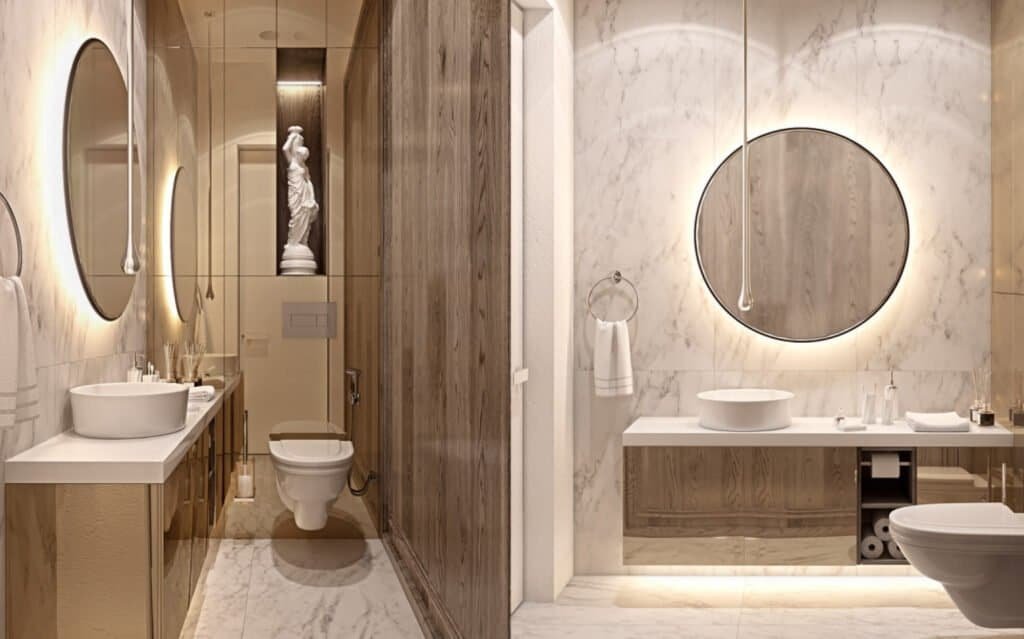
كيف يمكن مقارنة المتانة بين المرايا الفضية والألومنيوم؟?
تحتاج المرآة إلى البقاء على قيد الحياة لسنوات من البخار, رش الماء, ومنتجات التنظيف في حمامك.
تتعامل مرايا الألومنيوم مع الرطوبة بشكل أفضل لأن الألومنيوم يشكل بشكل طبيعي درعًا واقيًا ضد الصدأ. تحتاج المرايا الفضية إلى طبقات حماية قوية وختم دقيق لمنع التلف وتآكل الحواف في تركيبات مرآة الحمام الخفيفة.
تصبح الحماية الطبيعية للألمنيوم مهمة في الحمامات حيث بخار الماء, التغيرات في درجات الحرارة, وتخلق بخاخات التنظيف ظروفًا صعبة للمرايا ذات الإطار الأسود أو التصميمات بدون إطار. عندما يلامس الألمنيوم الأكسجين, يقوم تلقائيًا بإنشاء طبقة واقية رقيقة تحافظ على سلامة المعدن, حتى لو تم خدش طلاء الطلاء. تتحول الفضة إلى اللون الأسود عند ملامستها للكبريت, والذي يوجد في العديد من المنتجات المنزلية وحتى في الهواء. يمكن أن يؤدي هذا التشويه إلى إتلاف المرآة الفضية في حالة فشل الطبقات الواقية.
يستخدم مصنعو مرايا الحمام الحديثة LED حواجز مانعة للتسرب والرطوبة متقدمة خصيصًا لحماية الطلاء الفضي من الرطوبة. يمكن أن تدوم مرآة الحمام الفضية محكمة الغلق تمامًا مثل الألومنيوم, عن 15-20 سنوات في الحمام المنزلي مقارنة بـ 20-25 سنوات للألمنيوم. حساسية الفضة للمواد الكيميائية تعني أنك بحاجة إلى اختيار منتجات التنظيف بعناية للمرايا المضيئة الحديثة للحمامات. يمكن للمنظفات القاسية أن تأكل الطبقات الواقية وتتلف الطلاء الفضي. غالبًا ما تختار المباني التجارية ذات الاستخدام الكثيف الألومنيوم لتطبيقات مرايا الحمامات الصغيرة لأن تكاليف الاستبدال وأعمال الصيانة أكثر أهمية من الحصول على أفضل انعكاس على الإطلاق. تساعد الطبقة النحاسية الموجودة في المرايا الفضية على مقاومة التآكل ولكنها لا يمكن أن تضاهي مدى ثبات الألومنيوم بشكل طبيعي في الحمامات الرطبة باستمرار.
ما هي فروق التكلفة بين هذين النوعين من المرايا؟?
السعر مهم عند شراء مرايا لتجديد المنزل أو لمشروع تجاري.
المرايا الفضية تكلف حوالي 30% ل 50% أكثر من مرايا الألمنيوم المماثلة لأن معدن الفضة يكلف أكثر, عملية التصنيع أكثر تعقيدًا, وتحتاج المرايا الفضية إلى طبقات حماية إضافية على هيكل المرآة الزجاجية.
يتزايد فرق السعر هذا عند طلب العديد من وحدات المرايا الفضية الكبيرة للمباني السكنية أو الفنادق. أسعار الفضة ترتفع وتنخفض مع سوق السلع, جعل أسعار مرآة الحائط الفضية أقل قابلية للتنبؤ بها من الألومنيوم, والتي تبقى أكثر استقرارا في السعر. إن صنع المرايا الفضية يكلف أكثر لأن العملية الكيميائية تتطلب معدات أكثر روعة, الضوابط البيئية الدقيقة, وتستغرق وقتًا أطول من عملية التفريغ للألمنيوم. تضيف تلك الطبقات الواقية الإضافية التي تحتاجها منتجات مرايا الحمام الفضية تكاليف المواد ووقت الإنتاج, مما يجعل الفجوة السعرية أوسع.
عندما تخطط لمشروع مرآة الزينة المضيئة, فكر ليس فقط في التكلفة الأولية ولكن أيضًا في المدة التي ستستمر فيها المرآة, كم مرة ستحتاج إلى استبداله, وما إذا كان العملاء سيلاحظون ويقدرون فرق الجودة. يدفع مشترو المنازل الفاخرة مبلغًا إضافيًا مقابل الفضة عند اختيار مرآة الزينة المزودة بمصابيح LED لحمامهم الرئيسي. عادة ما تختار المشاريع متوسطة المدى الألومنيوم للحفاظ على أسعار مرآة الحمام الحديثة تنافسية.
الشراء بكميات كبيرة من الشركات المصنعة يمكن أن يقلل من علاوة سعر المرايا الفضية, خاصة بالنسبة لمرايا الحمام المستطيلة القياسية بدلاً من الأشكال المخصصة التي تحتاج إلى معدات خاصة. يجب أن يأخذ تحليل التكلفة الخاص بك في الاعتبار أن الفضة تخلق قيمة متصورة أعلى في العقارات باهظة الثمن حيث يتوقع العملاء أداءً استثنائيًا من مرآة الزينة ذات الإضاءة LED الخاصة بهم وسيدفعون أسعارًا ممتازة مقابل الجودة العالية.
أي مرآة أفضل, الألومنيوم أو الفضة?
الخيار الأفضل يعتمد على احتياجاتك الخاصة, من سيستخدم المرآة, والمبلغ الذي تريد إنفاقه على أضواء ومرايا الحمام.
تعمل المرايا الفضية بشكل أفضل مع التطبيقات الفاخرة حيث يبرر الحد الأقصى من السطوع وجودة الصورة ارتفاع التكاليف, بما في ذلك المنازل باهظة الثمن والفنادق الراقية. توفر المرايا المصنوعة من الألومنيوم قيمة أفضل للتركيبات متوسطة المدى, مباني المكاتب, والمشاريع التي تكون فيها المتانة وتوفير التكاليف أكثر أهمية من الحصول على انعكاس مثالي تمامًا.
يجب أن ينظر قرارك إلى عدة عوامل تتجاوز السعر فقط. تستفيد المشاريع المنزلية الفاخرة مع منتجات مرايا الحمام المضاءة من انعكاس الفضة الفائق وجاذبية هيبتها, حيث يتوقع أصحاب المنازل الأثرياء استخدام مواد متميزة في جميع أنحاء حمامهم. تختار الفنادق والمنتجعات الصحية باهظة الثمن الفضة لمرآة الزينة المزودة بمصابيح LED في حمامات الضيوف لأن جودة الصورة الاستثنائية تعزز تجربة الرفاهية.
عادةً ما تحدد المنازل والمباني السكنية متوسطة المدى الألومنيوم لمرايا الحمام لتحقيق التوازن بين الجودة والتكلفة مع تلبية توقعات المشترين الذين يركزون على القيمة.. مباني المكاتب, مخازن, وتفضل الحمامات العامة مرايا الألمنيوم لأنها تدوم لفترة أطول وتحتاج إلى صيانة أقل في المناطق ذات الازدحام الشديد. قد تبرر المشاريع المخصصة ذات تصميمات المرايا الفضية المستديرة أو مظهر المرايا الفضية ذات الإطارات المتقنة استخدام الفضة بغض النظر عن الميزانية عندما يكون المظهر هو الذي يدفع قرار الشراء.
يجب على المناطق ذات الرطوبة العالية التحقق بعناية من جودة الطلاء الواقي لخيارات الفضة, حيث أن الألومنيوم يتعامل بشكل طبيعي مع الرطوبة بشكل أفضل. يجب أن تحدد مواصفات مرآة الحمام LED بوضوح مدى سطوع المرآة, كم من الوقت يجب أن تستمر, ما الضمان الذي يأتي معه, وما هي الصيانة المطلوبة. في بعض الأحيان يستخدم النهج الأذكى كلا النوعين, وضع مرايا فضية في مرايا الزينة الرئيسية المضاءة في الحمامات الرئيسية مع استخدام الألومنيوم في مواقع مرايا الحمام الصغيرة الثانوية لتحسين الميزانية.
كيفية معرفة ما إذا كانت المرآة فضية?
أنت بحاجة إلى طرق موثوقة للتحقق من حصولك على مرايا فضية حقيقية عند فحص الشحنات من الموردين.
المرايا الفضية تظهر أكثر دفئا, لون رمادي-أزرق قليلاً عند النظر إلى الحافة المكشوفة. إنها تعكس الضوء بشكل أكثر سطوعًا عند مقارنتها بالألمنيوم جنبًا إلى جنب. يمكنك رؤية الطبقات بما في ذلك طبقة واقية نحاسية اللون على طول الحواف غير المكتملة للمرآة الزجاجية.
يساعد فحص المرايا بنفسك على منع الموردين من إرسال منتج خاطئ إليك ويضمن تطابق ما طلبته مع ما وصل لشحنة المرآة LED الخاصة بك. يمنحك النظر إلى الحافة أسهل طريقة للتعرف على الفضة. تكشف حافة مرآة الحمام الفضية الحقيقية عن المظهر المعدني الرمادي المميز للطلاء الفضي بجانب الطبقة النحاسية ذات اللون البني المحمر وطبقة الطلاء الواقية.
تُظهر مرايا الألمنيوم حافة بيضاء فضية أخف بدون تلك الطبقة النحاسية. يُظهر اختبار السطوع باستخدام مصباح يدوي كيف تعكس منتجات مرايا الحائط الفضية ضوءًا أكثر من الألومنيوم عند تسليط أضواء مرآة الزينة المضيئة المتطابقة على كليهما.. تحقق من الأوراق للتحقق من شهادات الشركة المصنعة التي تحدد نوع الطلاء, كم هو سميك, وما إذا كانت تلبي معايير الجودة لتطبيقات مرآة إضاءة الحمام.
يمكن أن يساعد وزن المرآة أيضًا, نظرًا لأن الكثافة العالية للفضة تجعل المرايا الفضية أثقل قليلاً من مرايا الألومنيوم ذات الحجم نفسه, على الرغم من أنك ستلاحظ ذلك فقط مع تركيبات المرآة الفضية الكبيرة. توفر الشركات المصنعة الجيدة مواصفات مفصلة بما في ذلك نوع الطلاء, تكوين طبقة واقية, وشهادات الجودة لمرايا الزينة المضاءة لمنتجات الحمام. يؤدي بناء العلاقات مع الشركات المصنعة المعتمدة التي تحافظ على أنظمة جودة شفافة إلى تقليل الحاجة إلى اختبارات مكثفة مع ضمان حصولك باستمرار على الطلاء الفضي أو الألومنيوم الذي حددته لإنتاج المرايا ذات الإضاءة الخلفية..
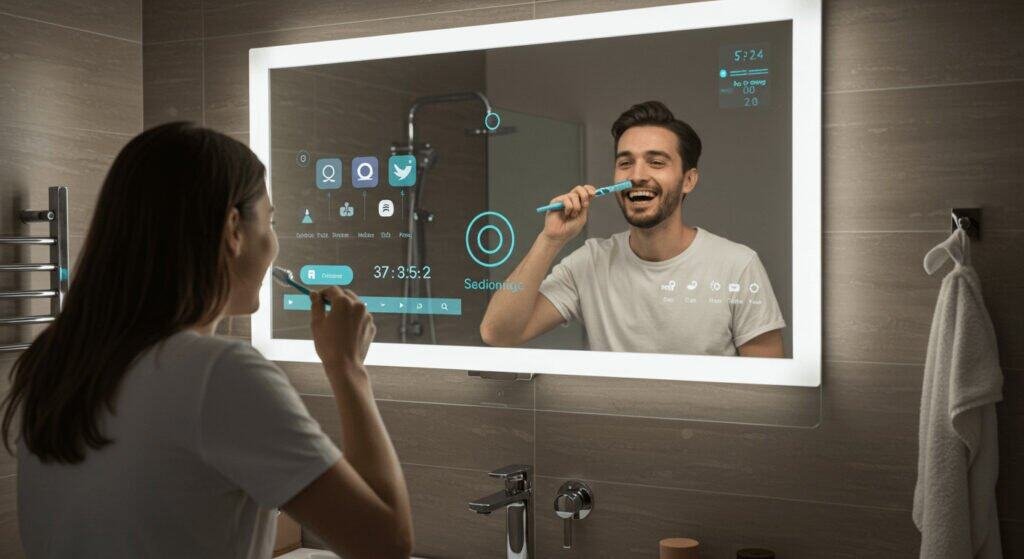
هي المرايا الحديثة المدعومة بالفضة?
تؤثر اتجاهات السوق على أنواع طلاءات المرايا التي يمكنك شراؤها اليوم.
تستخدم المرايا الحديثة دعامة من الفضة والألمنيوم اعتمادًا على الغرض من المرآة وتكلفةها. يهيمن الألومنيوم على السوق الشامل لمرايا الحمام القياسية بينما تحافظ الفضة على مكانتها في قطاعات مرايا الحمام المضيئة المتميزة حيث يكون الأداء البصري الأقصى مهمًا.
تقدم صناعة مرايا الحمام الآن خيارات طلاء مصممة خصيصًا لمشترين محددين بدلاً من استخدام معيار عالمي واحد. تستخدم مرايا الحمام المستطيلة ذات السوق الشامل ومنتجات مرآة الحائط الأساسية ذات الإضاءة في الغالب طلاءات الألومنيوم لتحقيق أسعار تنافسية للمستهلكين المهتمين بالميزانية والمشاريع التجارية الكبيرة.
يستمر الجزء المتميز من تصنيع مرايا الزينة المضيئة في استخدام الفضة للمنازل باهظة الثمن, فنادق فاخرة, وحمامات مصممة حيث يتوقع العملاء الأفضل. أدى الاتجاه نحو تقنية المرآة LED إلى زيادة الطلب على كلا النوعين من الطلاء لأن إضاءة LED تجعل اختلافات الانعكاس أكثر وضوحًا. تستفيد تصميمات مرايا الحمام الحديثة مع مصابيح الزينة المدمجة وميزات المرايا ذات الإضاءة الخلفية من الانعكاس الفائق للفضة في التطبيقات المتطورة.
في نفس الوقت, يظل الألومنيوم هو الخيار العملي للغالبية العظمى من تركيبات الحمامات حيث يؤدي الأداء الجيد بتكلفة معقولة إلى خلق أفضل قيمة. من المرجح أن يستمر السوق في دعم كلتا التقنيتين حيث يدرك المصنعون أن العملاء المختلفين لديهم أولويات مختلفة عند اختيار مرايا الحمام لمساحاتهم.
خاتمة
توفر المرايا الفضية سطوعًا ووضوحًا فائقين 30-50% تكلفة أعلى, مما يجعلها مثالية للمشاريع الفاخرة. توفر المرايا المصنوعة من الألومنيوم مقاومة أفضل للرطوبة وقيمة أفضل, يخدم بشكل جيد في الحمامات القياسية والمساحات التجارية. اختر بناءً على السوق المستهدف, ميزانية, ومتطلبات الجودة.
- clik هنا ليعرف ما هي المرآة الخالية من النحاس?
- إذا لم تكن تعرف كيف اختر أيضًا ارتفاع الحمام الصحيح انقر هنا.
- تعرف على المزيد عن مشاكل مرآة الحمام LED
- clik هنا لمعرفة لماذا لا تعمل مرآة مستشعر اللمس
- clik هنا لمعرفة أحجام مرآة الغرور القياسية?
- clik هنا ليعرف لماذا المرايا باهظة الثمن?
- clik هنا ليعرف هل تحتاج المرايا LED إلى الكهرباء?
- clik هنا ليعرف هي مرآة مضاءة ما يكفي من الضوء للحمام?
- اكتشف 10 مشاكل مرآة الحمام المشتركة LED انقر هنا